B2B Lead Generation: 10 Proven Strategies to Double Your Conversions

The landscape of business-to-business lead generation has changed dramatically in recent years, impacting B2B lead generation for sustainable growth. As a result, organisations now face the challenge of rethinking their approach to attracting and converting potential clients. Traditional methods that once delivered reliable results now struggle to capture attention in an increasingly crowded digital marketplace. Therefore, understanding which strategies genuinely drive conversions rather than merely generating vanity metrics has become essential for organisations seeking sustainable growth. In this guide, we examine ten proven approaches that consistently deliver measurable improvements in lead quality and conversion rates. Moreover, we provide actionable frameworks that businesses can implement immediately to transform their sales pipeline performance.

Table of Contents

  1. The Current State of B2B Lead Generation in 2025
  2. 10 Proven B2B Lead Generation Strategies That Work
  3. Essential Tools and Technology Stack for B2B Lead Generation
  4. Measuring B2B Lead Generation Success
  5. Implementation Roadmap: Your Next Steps
  6. Frequently Asked Questions

TLDR: Key Takeaways

Traditional methods failing: Cold calling and mass emails are declining in effectiveness. In fact, conversion rates have dropped 37% over three years.

Quality over quantity essential: Quality-focused strategies achieve 15%+ conversion rates. In contrast, volume-focused approaches see less than 2%.

Ten proven strategies: Content marketing with lead magnets, LinkedIn automation, ABM, webinars, SEO-optimised landing pages, email nurturing, social proof, chatbots, retargeting, and referral programmes all deliver results.

Technology infrastructure critical: Additionally, CRM platforms, marketing automation, and analytics tools enable execution at scale.

Multi-touch attribution matters: Most B2B conversions result from multiple touchpoints across extended timeframes.

Phased implementation works best: Focus on 30-day quick wins and 90-day strategy deployment. Furthermore, build long-term capabilities rather than attempting everything at once.

The Current State of B2B Lead Generation in 2025

The business environment facing B2B marketers in 2025 presents both significant challenges and remarkable opportunities. Specifically, decision-makers receive more marketing messages than ever before. As a result, they develop advanced filters to ignore irrelevant outreach. At the same time, they expect highly personalised and valuable interactions from vendors they consider. Therefore, this contradiction requires organisations to elevate their lead generation approach beyond simple volume generation. Consequently, the focus must shift towards strategies that put relevance, timing, and genuine value delivery first.

Why Traditional Methods Are Failing

For decades, cold calling, mass email campaigns, and generic content marketing approaches sustained B2B lead generation. However, these methods have experienced dramatic declines in effectiveness. Notably, the basic issue lies not in the channels themselves but in how organisations deploy them. Indeed, decision-makers no longer tolerate interruptive and self-focused messaging. Instead, they reject outreach that shows no understanding of their specific challenges or business context. Moreover, the spread of generic outreach has created resistance. As a result, even well-crafted traditional approaches now struggle to gain traction.

Furthermore, the shift towards digital-first business operations has fundamentally altered buyer behaviour patterns. Today, prospects now conduct extensive independent research before engaging with vendors. In many cases, they progress significantly through their buying journey before sales teams become aware of their interest. Consequently, this evolution means that organisations relying on traditional lead generation methods miss critical opportunities. Specifically, they fail to influence early-stage decision-making when vendor selection preferences typically form. Therefore, successful lead generation in the current environment requires presence and value delivery throughout the entire buyer journey. Simply put, intervention only at the point when prospects actively seek proposals no longer suffices.

The Conversion Crisis: Industry Statistics

Recent research reveals concerning trends in B2B lead generation performance across industries. In particular, the average conversion rate from lead to qualified opportunity has declined by thirty-seven percent over the past three years. Meanwhile, the volume of leads required to generate equivalent pipeline value has increased substantially. Additionally, cost per lead metrics continue rising across most channels. In some industries, increases exceed fifty percent annually. Importantly, these statistics reflect basic shifts in how business buyers evaluate potential vendors and make purchasing decisions rather than temporary market conditions.

Moreover, the quality gap between quantity-focused and quality-focused lead generation approaches has widened dramatically. For example, organisations pursuing high-volume and low-quality lead generation strategies report conversion rates below two percent. In contrast, those putting lead quality first through targeted approaches achieve conversion rates exceeding fifteen percent. Notably, they generate significantly fewer total leads. Therefore, this disparity shows that the traditional focus on increasing lead volume regardless of quality has become counterproductive. Indeed, it consumes sales resources whilst delivering diminishing returns. Subsequently, the most successful organisations have pivoted towards strategies that generate fewer but significantly more qualified prospects. Specifically, these prospects show genuine buying intent and appropriate fit characteristics.

10 Proven B2B Lead Generation Strategies That Work

Implementing effective lead generation requires moving beyond theoretical best practices. Instead, organisations must deploy specific and actionable strategies with proven track records of success. The following ten approaches have consistently delivered measurable improvements across diverse industries and business models. Furthermore, they provide reliable frameworks that organisations can adapt to their particular market conditions and target audiences.

1. Content Marketing with High-Converting Lead Magnets

Strategic content marketing has evolved from publishing blog posts hoping to attract organic traffic. Instead, the focus has shifted towards deliberately creating high-value assets specifically designed to capture contact information from qualified prospects. Notably, the most effective lead magnets address specific and urgent challenges that target buyers face. Moreover, they provide actionable solutions rather than superficial overviews. As a result, this approach positions organisations as trusted advisors whilst building a qualified prospect database for ongoing nurturing efforts.

Types of Lead Magnets That Generate Quality Leads

Different lead magnet formats resonate with various buyer personas. Furthermore, they serve distinct purposes within the overall lead generation strategy. For instance, original research reports and industry benchmark studies prove particularly effective for senior decision-makers who value data-driven insights. Specifically, these insights inform strategic planning. Although these assets require large investment to produce, they generate exceptionally high-quality leads with appropriate seniority and budget authority. Indeed, the exclusivity and perceived value of original research creates compelling reasons for prospects to exchange contact information.

Similarly, interactive tools and calculators deliver immediate value whilst qualifying leads through the information they provide during usage. For example, ROI calculators, assessment tools, and configuration applications enable prospects to explore how solutions might address their specific situations. At the same time, they reveal budget parameters, pain point severity, and implementation readiness. Moreover, the engagement these tools generate provides sales teams with rich context about prospect needs and priorities. Consequently, this context enables more relevant and timely follow-up conversations.

Additionally, full guides and playbooks addressing specific challenges or implementation processes attract prospects actively researching solutions. Typically, these prospects are preparing for potential purchases. Therefore, these assets should provide genuinely useful information that prospects can implement independently. In doing so, they show expertise and build trust rather than withholding insights to create artificial dependency. Indeed, the principle of reciprocity ensures that prospects who receive large value without obligation often develop strong preferences. Ultimately, when they make purchase decisions, they favour the providing organisation.

Distribution Strategy for Maximum Impact

Creating exceptional lead magnets delivers limited value without strategic distribution. Specifically, lead magnets must reach qualified prospects at moments when relevance peaks. For instance, organic search optimisation ensures that prospects researching specific challenges discover appropriate lead magnets naturally. Therefore, SEO-optimised landing pages become essential infrastructure. Additionally, each lead magnet requires dedicated landing pages with clear value propositions. Moreover, copy must emphasise benefits over features. Finally, streamlined conversion forms should request only essential information to reduce friction.

Furthermore, paid promotion through targeted advertising amplifies reach beyond organic channels. Specifically, it enables precise audience targeting based on job titles, industries, company sizes, and behavioural indicators. Notably, LinkedIn advertising proves particularly effective for B2B lead magnet promotion. However, costs require careful management to maintain acceptable cost per lead metrics. Indeed, the key lies in advanced audience segmentation. Ultimately, advertisements must reach genuinely relevant prospects rather than broad audiences where waste unavoidably occurs.

In addition, strategic partnerships and co-marketing arrangements extend distribution reach. At the same time, they add credibility through association with complementary brands. For example, collaborating with non-competing organisations that serve similar target audiences enables access to established communities. Notably, these communities have trusted relationships that would require years to develop independently. Therefore, joint webinars, co-branded research studies, and shared content promotion provide mutual benefits. As a result, they expose lead magnets to qualified audiences predisposed to engage due to their existing relationship with partner organisations.

2. LinkedIn Outreach Automation Done Right

LinkedIn has emerged as the dominant platform for B2B lead generation. Specifically, it provides unparalleled access to decision-makers. Furthermore, the platform enables highly targeted outreach based on detailed professional criteria. However, poorly executed automation has created significant noise and resistance. Therefore, organisations must navigate these challenges carefully. Ultimately, effective LinkedIn outreach balances automation efficiency with genuine personalisation. Moreover, it delivers value that respects recipient time and attention.

Building Your Ideal Customer Profile

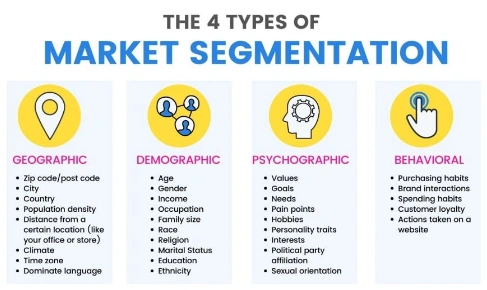
Successful LinkedIn outreach begins with rigorous definition of ideal customer profiles. Importantly, these profiles must extend far beyond basic demographic criteria. Instead, they should cover firmographic characteristics, behavioural indicators, and contextual factors that signal genuine fit and readiness. For instance, identifying specific job titles, seniority levels, and functional responsibilities ensures outreach targets individuals with appropriate decision-making authority. Additionally, they must have relevant pain points. Furthermore, company size, industry, and growth stage parameters further refine targeting. Consequently, focus on organisations most likely to benefit from and afford offered solutions.

Moreover, psychographic and behavioural criteria add critical nuance. Specifically, they separate truly qualified prospects from those merely matching surface-level characteristics. For example, engagement with specific content topics reveals interests and priorities. Similarly, participation in relevant LinkedIn groups shows professional networks. In addition, connection patterns with other industry participants indicate genuine relevance. Furthermore, recent job changes, company funding announcements, and other trigger events create windows of heightened receptivity. Indeed, outreach timing during these windows dramatically impacts response rates.

Nevertheless, the temptation to broaden targeting criteria to increase volume must be resisted. In fact, diluting ideal customer profile precision unavoidably reduces response rates and lead quality. Instead, narrower and more precisely defined target audiences consistently outperform broader approaches. Although they generate fewer total contacts, the efficiency gains from higher response and conversion rates more than compensate for reduced volume. Therefore, sales teams benefit from engaging exclusively with genuinely qualified prospects. As a result, they avoid wasting time on inappropriate leads.

Crafting Messages That Get Responses

The difference between LinkedIn outreach that generates responses versus messages that recipients immediately delete lies primarily in message relevance. Specifically, personalisation and value proposition clarity matter greatly. Indeed, generic templates mentioning only recipient names whilst launching into product pitches achieve minimal success. Ultimately, the number of prospects receiving them makes no difference. In contrast, effective messages show genuine understanding of recipient challenges. Moreover, they reference specific context unique to their situation. Additionally, clear value propositions focus on recipient benefits rather than sender capabilities.

Furthermore, first impressions determine success when reaching out through LinkedIn. Specifically, opening sentences must immediately establish relevance and credibility to prevent instant deletion. For example, referencing recent company announcements, shared connections, or content the recipient has published shows legitimate research. Consequently, it proves this is not mass outreach. Indeed, the key lies in specificity that makes clear this particular message was crafted for this specific recipient. Therefore, it is not one of hundreds sent to similar titles. As a result, this investment in personalisation dramatically improves response rates. At the same time, it reduces the total volume of outreach required to generate target lead quantities.

Additionally, calls to action should request minimal commitment. Moreover, they should offer clear value rather than immediately pushing for sales meetings. For instance, suggesting brief calls to share relevant insights works well. Alternatively, offering to send useful resources or posing thoughtful questions about specific challenges creates natural conversation starters. Indeed, these approaches feel helpful rather than pushy. Ultimately, the objective of initial outreach should be starting conversations and building relationships rather than closing sales. In fact, enterprise B2B purchases typically require multiple touchpoints before prospects engage seriously.

3. Account-Based Marketing (ABM) for Enterprise Clients

Account-based marketing represents a basic shift from broad lead generation. Instead, the focus moves towards concentrated efforts targeting specifically identified high-value accounts. Rather than casting wide nets hoping to capture any interested prospects, ABM focuses all marketing and sales resources on thoroughly researched target accounts. Specifically, these accounts represent ideal customers. Therefore, this approach proves particularly effective for enterprise sales where individual client values justify large investment in personalised engagement strategies.

Identifying High-Value Target Accounts

Selecting appropriate target accounts requires analysis that balances revenue potential, strategic value, and realistic probability of success. Importantly, the highest revenue prospects may not represent the most appropriate targets. For example, competitive entrenchment, poor cultural fit, or other factors might make successful engagement unlikely. Therefore, effective account selection considers not only current revenue potential but also lifetime value. Additionally, strategic importance and expansion opportunities that might develop from successful initial engagements matter greatly.

Furthermore, firmographic criteria provide the foundation for account identification. Specifically, they establish parameters around company size, industry, geographic location, and growth trajectory. However, the most advanced account selection includes behavioural and intent data. In particular, this data reveals which target accounts show active interest in relevant solution categories. For instance, website visits, content downloads, event attendance, and other engagement signals indicate accounts actively researching solutions. As a result, these signals dramatically improve success probability compared to completely cold outreach.

Moreover, collaborative selection processes involving both marketing and sales teams ensure selected accounts receive genuine commitment. Specifically, stakeholders responsible for ultimately closing business must believe in the accounts. Indeed, sales teams must believe target accounts represent worthwhile investments of their limited time. Additionally, marketing requires sales cooperation to develop and deploy personalised engagement strategies. Therefore, regular review and refinement of target account lists ensures resources concentrate on opportunities showing progress. Subsequently, underperforming accounts receive reduced attention or removal.

Personalised Campaign Development

Account-based marketing effectiveness depends entirely on personalisation depth and relevance. Indeed, surface-level personalisation inserting company names into otherwise generic content fails to generate meaningful differentiation. Instead, truly personalised ABM campaigns show deep understanding of target account challenges. Moreover, they address priorities and contexts through custom content, tailored messaging, and coordinated multi-channel engagement. Ultimately, everything is planned around specific account needs.

Furthermore, developing detailed account intelligence requires research that combines publicly available information. Additionally, intent data and insights from existing contacts within target organisations contribute valuable information. Specifically, understanding organisational structure, recent initiatives, competitive landscape, and strategic priorities enables creation of messaging and content. As a result, these directly address specific account situations. Moreover, this intelligence informs everything from advertising creative to email sequences to direct mail campaigns. Consequently, it ensures consistent relevance across all touchpoints.

In addition, planned engagement sequences coordinate activities across multiple channels and stakeholders. Specifically, they maintain consistent presence without overwhelming recipients. For example, advertising keeps brands visible to target account decision-makers. Similarly, personalised content addresses specific challenges they face. Meanwhile, sales development representatives initiate relevant conversations. At the same time, account executives build relationships with key stakeholders. Therefore, this coordinated approach creates combined impact that individual tactics in isolation cannot achieve. Ultimately, it justifies the large investment required for effective ABM execution.

4. Webinar Marketing Campaigns That Convert

Webinars have proven remarkably durable as lead generation tools. Indeed, predictions of declining effectiveness from virtual event fatigue have not come true. Instead, the key lies in treating webinars not as isolated events but as components of full campaigns. Specifically, these campaigns cover promotion, delivery, and follow-up activities designed to move attendees through buying journeys. Moreover, well-executed webinar campaigns generate both immediate leads and ongoing pipeline impact. Additionally, recorded content repurposing and relationship building with engaged prospects extend the value.

Topic Selection for Maximum Attendance

Webinar attendance rates depend basically on topic selection. Specifically, topics must address urgent and specific challenges facing target audiences. In contrast, generic overviews of broad topics fail to generate registration enthusiasm. Instead, focused sessions providing actionable solutions to pressing problems achieve strong attendance. Although they attract more limited potential audiences, the specificity that makes topics highly relevant to particular segments at the same time creates compelling reasons to attend. As a result, prospects do not assume recorded versions will suffice.

Furthermore, educational content significantly outperforms promotional presentations in both registration and attendance rates. Indeed, prospects seek useful information enabling better decisions or improved implementations. Instead, they reject thinly veiled sales pitches. Therefore, positioning webinars as learning opportunities from industry experts establishes value propositions that justify time investment. Moreover, product mentions woven naturally into educational content prove more persuasive than explicit selling. Ultimately, this approach requires confidence that showing expertise and providing genuine value drives more conversions than aggressive promotion.

Additionally, timing considerations impact attendance substantially. For example, mid-week and mid-morning or early afternoon sessions typically achieve optimal participation. However, testing different times with specific audiences often reveals preferences varying from general patterns. Therefore, offering multiple session times for the same content accommodates different schedules. Moreover, it provides data about when target audiences show greatest availability and interest. Finally, recording availability should be confirmed during promotion. Nevertheless, use it strategically to avoid undermining live attendance motivation.

Follow-up Sequences That Close Deals

The true lead generation value of webinars emerges through systematic follow-up sequences. Specifically, these sequences continue engagement beyond the live event. Therefore, immediate follow-up within twenty-four hours should deliver promised resources. Additionally, send recorded sessions and additional relevant content whilst engagement remains high. Moreover, this initial touchpoint establishes expectations for ongoing communication. Furthermore, it provides opportunities to segment attendees based on engagement level. Indeed, demonstrated interests revealed through questions, poll responses, and content consumption patterns guide segmentation.

Subsequently, follow-up sequences should provide progressively more detailed information. Specifically, align content with typical buying journey progression. For instance, educational content gives way to case studies, product information, and eventually direct sales engagement. As a result, this creates natural advancement that feels helpful rather than pushy. Indeed, the key lies in reading engagement signals and adjusting sequence velocity and content accordingly. Therefore, accelerate communication with highly engaged prospects. In contrast, maintain more moderate pacing for those requiring additional nurturing.

Moreover, sales team coordination ensures that webinar-generated leads receive appropriate attention. Specifically, base attention on qualification status and demonstrated interest. For example, high-engagement attendees asking specific questions during webinars often represent sales-ready prospects. Therefore, they deserve immediate sales attention rather than lengthy automated nurturing. Consequently, establishing clear handoff criteria and processes between marketing and sales prevents valuable leads from languishing. Indeed, direct sales engagement often proves more effective than nurturing sequences for highly qualified leads.

5. SEO-Optimised Landing Pages for Every Funnel Stage

Landing pages serve as critical conversion points. Specifically, traffic generated through various marketing activities transforms into identifiable leads at these points. However, many organisations deploy generic landing pages attempting to serve all visitors. Indeed, they do not account for awareness level, source, or intent. Therefore, this one-size-fits-all approach unavoidably compromises conversion performance. Instead, advanced landing page strategies create specific pages optimised for different funnel stages. Moreover, they tailor pages for traffic sources and buyer personas. As a result, this dramatically improves conversion rates through precise relevance and appropriate calls to action.

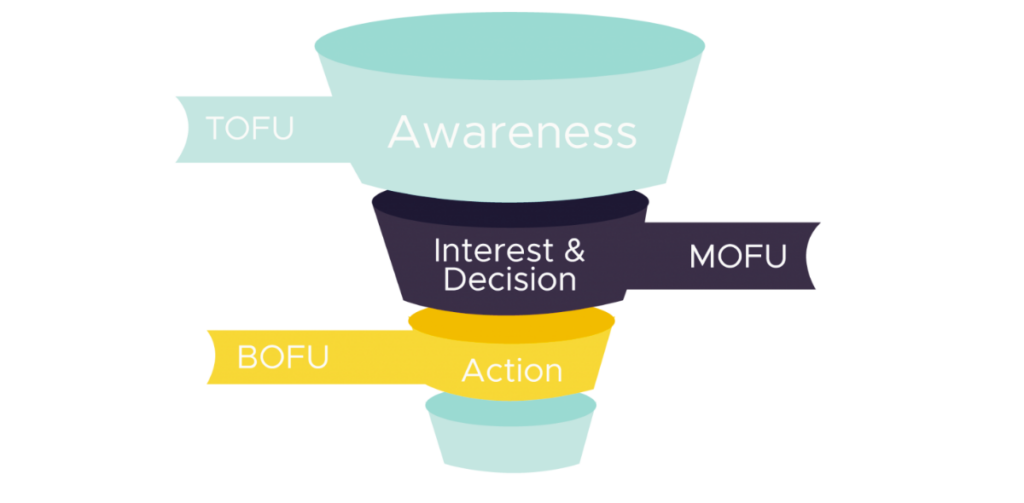
Top-of-Funnel Landing Page Optimisation

Early-stage prospects require landing pages focused on education and awareness building. Specifically, immediate conversion to sales-ready leads is not the goal. Indeed, these visitors often research broad topics or explore general challenges. In fact, they are not evaluating specific solutions. Therefore, landing pages serving this audience should offer large value through full content. Moreover, avoid requiring extensive form completion. Ultimately, unnecessary friction at stages where visitors remain uncertain about solution interest must be removed.

Furthermore, content depth and quality prove more important than clever copywriting or advanced design at the awareness stage. Specifically, prospects seek authoritative information helping them understand challenges. Additionally, they want to evaluate approaches and frame decisions. Therefore, long-form content, detailed guides, and full resources show expertise. At the same time, they build trust whilst establishing organisations as credible sources. Subsequently, prospects remember these sources when situations progress towards active vendor evaluation.

Moreover, form design for top-of-funnel landing pages should request minimal information. Typically, just email addresses and perhaps job titles suffice. Indeed, extensive data collection at this stage creates abandonment. Consequently, the abandonment outweighs marginal improvements in lead quality. Therefore, the objective involves beginning relationships and establishing permission for ongoing communication. Specifically, immediately qualifying sales readiness is not necessary. Instead, progressive profiling through later interactions gradually builds complete prospect records. As a result, initial friction that prevents relationship establishment is avoided.

Bottom-of-Funnel Conversion Tactics

Landing pages targeting prospects near purchase decisions require dramatically different approaches. Specifically, emphasise credibility, specificity, and clear paths towards sales engagement. Indeed, these visitors arrive with established interest. Furthermore, they often have concrete requirements. Therefore, they seek final validation that particular solutions appropriately address their needs. Consequently, content should focus on differentiation, proof points, and specific capabilities. In contrast, general education they have already completed independently is not needed.

Moreover, social proof becomes critical at decision stages. Specifically, prospects seek reassurance that solutions deliver promised results. Additionally, they want to know that organisations behind them merit trust. Therefore, customer testimonials, case studies, client logos, awards, and certifications provide evidence supporting claims. As a result, they reduce perceived risk. Indeed, the most effective social proof specifically addresses concerns relevant to particular visitor segments. For example, match industries, company sizes, or use cases to increase relevance and persuasiveness.

Furthermore, forms on bottom-of-funnel landing pages can request more detailed information. Specifically, visitors at this stage recognise value in providing specifics. Indeed, these enable more relevant conversations. However, forms should still request only information genuinely needed for appropriate sales follow-up. Therefore, avoid exhaustive details satisfying data collection ambitions but creating unnecessary completion burden. Moreover, clear value statements explaining what happens after submission improve completion rates. Additionally, they explain what prospects receive in exchange for information. As a result, this sets appropriate expectations.

6. Email Nurturing Sequences That Build Relationships

Email nurturing remains basic to B2B lead generation. Indeed, recurring predictions of email obsolescence have not proven accurate. Instead, the key lies in treating email sequences as relationship-building conversations. Specifically, they are not broadcast channels for self-promotional messages. Therefore, well-designed nurturing sequences deliver progressive value. Moreover, they gradually build familiarity, trust, and interest. Ultimately, these convert cold prospects into sales-ready leads. However, this process requires patience and care. In fact, enterprise sales cycles rarely compress into brief timeframes regardless of nurturing intensity.

Segmentation Strategies for Better Engagement

Effective email nurturing depends basically on appropriate segmentation. Specifically, recipients must receive relevant content matching their situations, interests, and readiness levels. Indeed, basic demographic and firmographic segmentation provides foundation-level personalisation. For example, it enables industry-specific examples, company-size-appropriate solutions, and role-relevant messaging. However, behavioural segmentation based on engagement patterns and demonstrated interests typically delivers more significant performance improvements.

Furthermore, tracking which content recipients consume reveals individual interests and priorities. Additionally, monitor which email topics generate opens and clicks. Moreover, note which offers prompt responses. As a result, this data reveals preferences more accurately than assumed preferences based on job titles. Therefore, dynamically adjusting sequence content based on these signals creates increasingly personalised experiences. Consequently, these feel relevant and valuable rather than generic. Although this approach requires advanced marketing automation capabilities, it delivers dramatically superior engagement and conversion rates compared to static sequences treating all segment members identically.

Moreover, lead scoring models combine demographic, firmographic, and behavioural data. Specifically, they enable putting priorities in order and appropriate sequence selection based on conversion readiness. For instance, high-scoring leads showing strong fit characteristics and active engagement deserve accelerated sequences. Therefore, move quickly towards sales conversations. In contrast, lower-scoring leads receive longer-term educational nurturing focused on building relationships before expecting conversion. As a result, this tiered approach ensures organisations deploy limited sales resources strategically. At the same time, it maintains appropriate engagement with all prospects regardless of current readiness.

Automated Workflows That Scale

Marketing automation platforms enable nurturing sequences that would prove impossible to execute manually at scale. Specifically, automated workflows trigger based on specific behaviours or timeline intervals. Moreover, they deliver appropriate messages at optimal moments without requiring constant manual oversight. Therefore, this capability allows small teams to maintain consistent engagement with large prospect databases. As a result, nothing falls through gaps that unavoidably occur in manual processes.

Furthermore, effective workflow design balances automation efficiency with opportunities for personalisation. Specifically, human involvement at critical moments adds value. Indeed, automated sequences handle routine education and relationship building. However, human intervention at key inflection points adds crucial personal touch that pure automation cannot replicate. For example, sales development representatives reach out when prospects show high engagement. Similarly, account managers check in after significant content consumption. Additionally, executives send personal notes to high-value prospects. Therefore, these combine automation scale with relationship-building effectiveness.

Moreover, continuous testing and optimisation of automated workflows prevent stagnation. Specifically, they ensure performance improvements over time. For instance, A/B testing reveals what resonates most effectively with specific audiences. Therefore, test subject lines, send times, content formats, and calls to action. Additionally, regular performance reviews identify underperforming sequence components. As a result, these enable refinements that incrementally improve results. Ultimately, the combined effect of these incremental improvements over extended periods can dramatically transform overall nurturing effectiveness.

7. Social Proof and Case Studies as Conversion Tools

Prospects evaluating significant B2B purchases unavoidably seek validation. Specifically, they want to know solutions deliver promised results. Additionally, they need assurance that vendors prove reliable partners. Therefore, social proof through case studies, testimonials, reviews, and recognisable client rosters addresses these concerns. Indeed, it shows real-world success rather than requiring prospects to rely solely on marketing claims. Moreover, the strategic deployment of social proof throughout buying journeys significantly improves conversion rates. As a result, it reduces perceived risk and builds confidence in vendor capabilities.

Collecting and Presenting Customer Success Stories

Developing compelling case studies requires identifying customers willing to share experiences. Additionally, extract relevant details showing clear business impact. Moreover, present information in formats prospects find credible and engaging. Indeed, the most powerful case studies feature customers similar to target prospects. For example, match industry, size, or challenges. As a result, this enables readers to envision comparable success in their own organisations. In contrast, generic success stories lacking specificity fail to generate meaningful impact. Therefore, impressive results alone are not enough.

Furthermore, quantitative results provide crucial credibility. At the same time, qualitative benefits add human dimension that pure numbers cannot convey. For instance, revenue improvements, efficiency gains, cost reductions, and other measurable outcomes deliver concrete evidence of value. However, perspectives on partnership quality matter. Specifically, implementation smoothness and ongoing support experiences address concerns about vendor relationships. Indeed, numbers alone leave these unaddressed. Therefore, full case studies balance both elements. As a result, they address rational and emotional factors influencing purchase decisions.

Moreover, distribution strategy determines whether carefully developed case studies actually influence prospects. Indeed, they may remain buried in neglected website sections. Therefore, feature relevant case studies prominently on landing pages. Additionally, include them in email nurturing sequences. Furthermore, equip sales teams with presentation-ready versions. Moreover, promote them through paid and organic channels. As a result, this ensures visibility when and where prospects seek validation. Finally, create multiple formats including written documents, video testimonials, and one-page summaries. Consequently, these accommodate different consumption preferences and usage scenarios.

Video Testimonials vs Written Reviews

Video testimonials deliver impact that written formats struggle to match. Specifically, they provide authentic emotional resonance and credibility. Indeed, seeing and hearing actual customers describe experiences creates connections and trust. In contrast, text cannot fully replicate this. However, video production requires substantially more resources than written testimonials. Moreover, consumption friction from video loading times and length can reduce actual viewership. In fact, quickly scannable text often gets more views.

Therefore, the optimal approach typically involves strategic deployment of both formats. Specifically, base decisions on specific objectives and audience preferences. For example, high-value target accounts and bottom-of-funnel prospects justify investment in compelling video testimonials. Additionally, address their specific concerns. In contrast, broader audiences receive written testimonials and reviews. Indeed, these are accessible and consumable with minimal friction. Moreover, testing reveals which formats resonate most effectively with particular segments. As a result, use data-driven format selection rather than assumptions.

Furthermore, third-party review platforms provide additional credibility. Specifically, they offer independent validation rather than vendor-controlled testimonials. Indeed, prospects may view vendor testimonials with doubt. Therefore, encourage satisfied customers to leave reviews on platforms like G2, Capterra, and TrustRadius. As a result, this creates social proof that prospects actively seeking vendor comparisons naturally encounter. Moreover, the volume and consistency of reviews often matter as much as specific ratings. Indeed, full review profiles suggest legitimate market presence. In contrast, limited or suspicious review patterns raise concerns.

8. Chatbot Qualification Systems for 24/7 Lead Capture

Artificial intelligence-powered chatbots enable organisations to engage website visitors at any hour. Specifically, they qualify interest and capture contact information from prospects. Indeed, without chatbots, these prospects might leave without converting. Moreover, modern chatbot capabilities extend far beyond simple FAQ responses. Instead, they include advanced conversation flows that assess fit and identify needs. Additionally, they route qualified leads appropriately. Therefore, this technology proves particularly valuable for international businesses serving prospects across time zones. Furthermore, it captures interest from after-hours visitors who research during personal time.

Designing Conversation Flows That Qualify

Effective chatbot qualification begins with strategic conversation design. Specifically, balance friendly engagement with efficient information gathering. Indeed, opening messages should feel welcoming and helpful. Therefore, avoid immediately interrogating visitors about purchase intent. Instead, ask how the chatbot can assist. Additionally, provide relevant topic options. As a result, this creates natural conversation starts whilst beginning qualification. Moreover, option selections reveal interest areas.

Furthermore, qualification questions should progress logically from general to specific. Specifically, use information gathered earlier to inform later questions. Therefore, create conversational flow rather than disjointed interrogation. For example, industry, company size, and role questions establish firmographic fit. Additionally, questions about current challenges, solution timelines, and previous vendor experiences reveal needs urgency and level of understanding. Indeed, the key lies in making qualification feel like natural conversation. Consequently, help visitors find relevant information rather than conducting obvious data collection exercises.

Moreover, branching logic enables appropriate conversations based on qualification responses. Specifically, direct high-fit visitors towards immediate sales engagement. In contrast, provide other visitors with relevant resources. Additionally, perhaps add them to nurturing sequences. As a result, this segmentation ensures limited sales resources concentrate on most qualified opportunities. At the same time, it maintains positive experiences for all visitors regardless of current fit. Therefore, offer the option to speak with a human when chatbot capabilities reach limits. Consequently, this prevents frustration. Indeed, complex questions receive appropriate attention.

Integration with CRM Systems

Chatbot value depends basically on seamless integration with customer relationship management systems. Specifically, collected information must flow directly into centralised databases. Moreover, sales teams need to access and act upon this information. Indeed, manual transfers of chatbot-collected data unavoidably create delays and gaps. As a result, these reduce responsiveness and waste opportunities. Therefore, proper integration automatically creates or updates contact records. Additionally, it assigns leads based on qualification criteria. Consequently, appropriate follow-up sequences trigger without manual intervention.

Furthermore, data mapping between chatbot platforms and CRM systems requires careful configuration. Specifically, information captured through conversations must populate appropriate fields. Moreover, data quality standards must be maintained. Therefore, standardise qualification question responses through multiple-choice options rather than free-text fields. As a result, this improves data consistency. Additionally, it enables more reliable segmentation and reporting. However, provide free-text options for complex questions. Indeed, these capture nuance that forced-choice limitations might miss. Consequently, balance approaches considering both structure and flexibility.

Moreover, activity logging documenting chatbot conversations provides sales teams with valuable context. Specifically, this matters when following up with chatbot-generated leads. Indeed, understanding which questions prospects asked helps. Additionally, know what information they viewed. Furthermore, see how conversations progressed. As a result, this enables more relevant initial outreach than generic follow-up. In contrast, treat all chatbot leads identically without this context. Indeed, context proves particularly valuable when conversations reveal specific concerns, objections, or interests. Therefore, sales representatives can address these proactively.

9. Strategic Retargeting Campaigns Across Platforms

Website visitors who leave without converting represent large missed opportunities. Indeed, consider the investment required to attract them initially. Therefore, retargeting campaigns follow these visitors across digital platforms with relevant advertising. As a result, they can recapture attention and provide additional opportunities for conversion. However, retargeting effectiveness depends entirely on strategic audience segmentation. Moreover, creative relevance and appropriate frequency management maintain visibility without creating annoyance.

Pixel Setup and Audience Segmentation

Retargeting foundation requires proper pixel installation across all website pages. Specifically, this enables tracking platforms to build audiences of visitors based on their browsing behaviour. Indeed, basic retargeting targets all website visitors uniformly. In contrast, advanced approaches segment audiences based on pages viewed. Additionally, consider time spent, actions taken, and other engagement indicators. Therefore, these reveal interest levels and focus areas. As a result, this segmentation enables serving more relevant creative and messages. Consequently, align with specific visitor interests and awareness levels.

Furthermore, high-intent audiences deserve priority retargeting investment. Specifically, these include pricing page visitors, demo request abandoners, and resource downloaders. Indeed, demonstrated interest signals make them valuable. Moreover, these audiences typically achieve substantially better conversion rates. Therefore, they warrant more aggressive frequency and higher cost-per-impression bids than general website visitor audiences. Consequently, create separate campaigns for high-intent segments. Additionally, use tailored messaging addressing likely hesitations or questions. As a result, this improves performance whilst managing overall retargeting budget efficiency.

Moreover, exclusion audiences prevent retargeting waste. Specifically, remove converted customers, existing contacts, and other groups requiring different messaging or no advertising. Indeed, failing to exclude these audiences creates negative experiences. For example, customers continue seeing acquisition-focused advertising after purchase. As a result, this wastes budget on impressions delivering no incremental value. Therefore, regular exclusion list updates ensure retargeting reaches appropriate audiences. Consequently, update as prospect status changes.

Creative Strategies for Different Funnel Stages

Retargeting creative effectiveness depends on alignment with visitor awareness and previous engagement levels. Specifically, top-of-funnel visitors who briefly explored general content require awareness-focused creative. Therefore, reinforce key value propositions and brand positioning. Moreover, avoid immediate conversion attempts. Indeed, these audiences benefit from educational content offers. Additionally, brand story communications and credibility-building messages address early-stage evaluation criteria.

Furthermore, mid-funnel retargeting should emphasise differentiation and specificity. Specifically, address why particular solutions merit deeper consideration compared to alternatives. Indeed, prospects likely evaluate multiple options. Therefore, feature highlights, comparison content, case studies, and detailed explanations speak to audiences actively evaluating options. Moreover, they seek information supporting vendor selection decisions. Consequently, creative at this stage must show understanding of prospect evaluation processes. Additionally, provide information specifically relevant to that context.

Finally, bottom-of-funnel retargeting deploys urgency and incentive tactics. Specifically, these are appropriate for prospects near decisions. Indeed, they need final motivation to convert. Therefore, limited-time offers, exclusive incentives, and clear calls to action work well. Moreover, request demonstrations or consultations. However, these tactics prove counterproductive with earlier-stage audiences. Specifically, they are not yet ready for conversion-focused messaging. As a result, this illustrates why segmented approaches substantially outperform one-size-fits-all retargeting.

10. Referral Programme Optimisation for Organic Growth

Referral programmes leverage satisfied customer enthusiasm. Specifically, they generate new business leads through trusted recommendations. Indeed, B2B referrals prove particularly valuable. Moreover, business buyers heavily weight peer recommendations in vendor selection processes. In fact, they often trust colleague experiences more than any amount of marketing content. Therefore, well-structured referral programmes systematise and accelerate word-of-mouth marketing. Indeed, this might otherwise occur sporadically. As a result, they create predictable lead generation channels. Furthermore, minimal ongoing investment is required once programmes are established.

Incentive Structure That Motivates

Effective referral incentives balance meaningful rewards with programme economics. Specifically, maintain acceptable cost per acquisition metrics. Indeed, excessively generous incentives create programmes that cannot be sustained. In contrast, insufficient rewards fail to motivate referral behaviour. Therefore, the optimal incentive level varies substantially. Moreover, consider industry, average deal values, customer lifetime values, and competitive context. Consequently, testing and refinement work better than assumptions.

Furthermore, dual incentive structures reward both referrers and referred customers. Indeed, these often outperform single-sided approaches. Specifically, they create motivation for all parties. For example, referrers receive tangible appreciation for their efforts. At the same time, referred prospects receive welcome incentives reducing initial purchase friction. Therefore, this mutual benefit structure feels more fair. As a result, it generates stronger participation than programmes benefiting only referrers or referred parties. However, incentive design must consider tax implications and regulatory requirements. Indeed, these might constrain options in certain industries or regions.

Moreover, non-monetary incentives sometimes prove more motivating than cash rewards. Specifically, this occurs particularly when customers feel strong connection with referring organisations. For example, exclusive access to new features works well. Additionally, priority support and professional recognition matter. Furthermore, charitable donations made in customer names can generate meaningful satisfaction. Indeed, these control programme costs. Therefore, test different incentive types. As a result, reveal what resonates most effectively with particular customer bases. Consequently, this enables optimised programmes aligned with customer values and preferences.

Tracking and Attribution Systems

Referral programme success depends on reliable tracking systems. Specifically, these accurately attribute referred leads to specific referrers. Therefore, this ensures appropriate credit and reward delivery. Indeed, unique referral links or codes provide straightforward tracking mechanisms. Moreover, simplify experiences that customers can easily share with their networks. In contrast, complex referral processes requiring extensive effort from referrers unavoidably reduce participation. As a result, incentive attractiveness becomes irrelevant.

Furthermore, integration between referral programme platforms and customer relationship management systems ensures referred leads receive appropriate routing and handling. Additionally, maintain visibility into referral source attribution. Indeed, sales teams must understand which leads originate from referral programmes. Therefore, this ensures proper acknowledgment and follow-up putting priorities in order. Specifically, honour the trust implied by peer recommendations. Moreover, this integration also enables referral programme performance reporting and analysis. As a result, these drive continuous improvement.

Finally, attribution visibility enables programme optimisation. Specifically, identify which customer segments generate the most valuable referrals. Additionally, determine which incentive structures drive highest participation. Moreover, see which referral channels prove most effective. Therefore, this intelligence informs programme refinements. As a result, these improve return on investment over time. Furthermore, recognise and potentially increase engagement with most productive referrers. Indeed, transparent reporting to participants builds trust. Specifically, show referral status and reward processing. Consequently, encourage ongoing engagement.

Essential Tools and Technology Stack for B2B Lead Generation

Effective lead generation in modern B2B contexts requires advanced technology infrastructure. Specifically, this supports execution, measurement, and optimisation of complex multi-channel strategies. Indeed, individual tactics may succeed with basic tools. However, scaling lead generation to meet ambitious growth objectives necessitates integrated platforms. Moreover, these enable automation, personalisation, and data-driven decision-making. Therefore, understanding which technologies prove essential versus merely nice-to-have helps organisations build appropriate stacks. Consequently, avoid excessive complexity or cost.

CRM Platforms: Choosing the Right Foundation

Customer relationship management systems serve as central repositories for all prospect and customer data. Specifically, they provide single sources of truth. Moreover, sales and marketing teams reference these throughout customer lifecycles. Indeed, CRM selection represents one of the most consequential technology decisions organisations make. Furthermore, migrations prove expensive and disruptive once large data and processes accumulate within chosen platforms. Therefore, careful evaluation of requirements, capabilities, and long-term scalability prevents costly mistakes.

HubSpot vs Salesforce: Feature Comparison

HubSpot and Salesforce represent the dominant CRM platforms in B2B contexts. Indeed, they serve different market segments and offer distinct advantages. Specifically, HubSpot excels for small to mid-sized businesses seeking integrated marketing and sales platforms. Moreover, intuitive interfaces require minimal training. Indeed, the platform’s strength lies in ease of use. Additionally, tight integration between marketing automation, sales engagement, and customer service functionality works well. However, customisation capabilities and advanced features lag behind Salesforce. Therefore, this potentially creates limitations as organisations scale or require advanced functionality.

In contrast, Salesforce offers unmatched customisation, advanced functionality, and scalability. Specifically, it suits large enterprises with complex requirements. Moreover, the platform’s robust third-party ecosystem provides solutions for virtually any business need. Additionally, powerful automation and analytics capabilities support advanced operations. However, this power comes with substantially higher costs. Furthermore, implementation timeframes are longer. Indeed, learning curves are steeper than HubSpot. Therefore, smaller organisations often find Salesforce overwhelming. Specifically, it proves unnecessarily complex for their current needs. Nevertheless, growth-oriented businesses may accept these trade-offs for long-term scalability.

Consequently, the decision between platforms should consider current requirements and anticipated growth trajectories. Additionally, evaluate existing technical capabilities and total cost of ownership. Specifically, include licensing, implementation, training, and ongoing administration. Indeed, organisations with significant Salesforce expertise or existing Salesforce implementations typically benefit from maintaining ecosystem consistency. In contrast, those starting fresh or seeking simplicity often favour HubSpot’s accessibility. Therefore, the vast middle ground requires careful evaluation. Ultimately, weigh specific priorities and constraints.

Best Practices for CRM Implementation

Full planning forms the cornerstone of successful CRM implementation. Specifically, address data migration, process design, user training, and change management alongside technical configuration. Indeed, rushing implementations without proper preparation unavoidably creates poor data quality. As a result, low adoption and disappointing return on investment follow. Therefore, dedicate adequate resources and time to implementation. Consequently, this pays dividends through faster time to value and better long-term outcomes.

Furthermore, data migration represents one of the most challenging implementation aspects. Specifically, careful cleaning, mapping, and validation ensure information transfers accurately into new systems. Indeed, legacy data quality issues that organisations tolerated in previous systems become untenable in new platforms. Moreover, clean data proves essential for automation, reporting, and effective usage. Therefore, invest in thorough data remediation before migration. Consequently, prevent carrying forward problems that undermine new system effectiveness.

Additionally, user training and change management often receive insufficient attention. Indeed, they prove critical to adoption success. Specifically, full training must cover technical functionality. Moreover, also address new processes and best practices. Therefore, this ensures users understand how to leverage systems effectively. Furthermore, ongoing support during initial months addresses questions and challenges. Indeed, teams unavoidably face these as they adjust to new ways of working. Moreover, executive sponsorship and clear communication about implementation objectives and benefits maintain organisational commitment. As a result, this sustains teams through unavoidable challenges.

Marketing Automation Platforms

Marketing automation platforms enable advanced lead nurturing, campaign execution, and performance tracking at scales impossible through manual processes. Specifically, these systems automate repetitive tasks. For example, email sequences, lead scoring, campaign triggering, and data enrichment happen automatically. Moreover, they provide intelligence that humans leverage for strategic decisions. Therefore, select appropriate platforms by balancing functionality, ease of use, integration capabilities, and costs. Consequently, match these against specific organisational requirements.

Email Automation Tools

Email automation functionality forms the core of marketing automation platforms. Specifically, it enables personalised sequences, behavioural triggering, and performance optimisation. Moreover, modern tools provide advanced segmentation. Additionally, dynamic content personalisation, A/B testing, and detailed analytics transform email. Therefore, move from batch-and-blast broadcast to targeted and relevant communication. Consequently, platform selection should put deliverability reputation first. Furthermore, consider template flexibility, automation depth, and analytics quality.

Indeed, deliverability proves absolutely critical. Specifically, even perfectly crafted emails deliver no value if spam filters intercept them. Therefore, platforms with strong sender reputations achieve substantially better inbox placement rates. Moreover, robust authentication protocols and proactive monitoring matter. Indeed, organisations cannot entirely control deliverability through platform selection alone. However, choose providers who put it first. Additionally, provide monitoring tools. As a result, this enables better outcomes.

Furthermore, template builders and content creation tools determine how easily organisations can produce professional and on-brand emails. Specifically, technical expertise should not be required for every message. Indeed, drag-and-drop editors, mobile responsiveness, and dynamic content capabilities enable marketers to create advanced emails efficiently. However, template flexibility should not sacrifice deliverability. Moreover, excessive coding or rendering can trigger spam filters. Additionally, poor display in certain email clients becomes problematic.

Social Media Management Systems

Social media management platforms consolidate multi-channel publishing, monitoring, engagement, and analytics. Specifically, single interfaces enable efficient management of complex social presences. Indeed, these tools prove essential for B2B organisations maintaining active presences. Moreover, LinkedIn, Twitter, Facebook, and other platforms require attention. However, resources for manual monitoring and posting are limited. Therefore, platform selection should consider supported networks. Additionally, evaluate scheduling capabilities, analytics depth, and team collaboration features.

Furthermore, publishing functionality should support scheduled posting, content queuing, and approval workflows. Indeed, these enable consistent presence without constant manual effort. Moreover, preview posts across different platforms. Additionally, optimise content for each network’s specific requirements. Therefore, this improves post performance. At the same time, it reduces time spent on platform-specific adjustments. Furthermore, bulk scheduling capabilities enable efficient content calendar management. Consequently, this helps organisations maintaining regular posting cadences across multiple accounts.

Moreover, monitoring and engagement tools enable timely responses to mentions, comments, and messages. Specifically, cover all networks without constant manual checking. Indeed, alert systems notify teams about important interactions requiring responses. Additionally, unified inboxes consolidate communications from multiple platforms. Therefore, manageable interfaces result. Furthermore, analytics provide visibility into post performance, audience growth, and engagement trends. As a result, these inform content strategy refinements. Ultimately, demonstrate social media return on investment.

Analytics and Tracking Tools

Robust analytics infrastructure proves essential for understanding lead generation performance. Specifically, optimise strategies and demonstrate return on investment. Indeed, platforms like CRM and marketing automation systems provide built-in analytics. However, full measurement requires dedicated analytics tools. Moreover, these offer deeper insights, attribution modelling, and cross-platform visibility. Therefore, organisations lacking analytics capability unavoidably make decisions based on incomplete information. Consequently, this limits optimisation. Indeed, resources get wasted on ineffective activities.

Google Analytics 4 for Lead Tracking

Google Analytics 4 represents the current standard for website analytics. Specifically, it offers event-based tracking, enhanced privacy compliance, and machine learning-powered insights. Moreover, the platform tracks visitor behaviour, traffic sources, conversion paths, and numerous other metrics. Indeed, these prove essential for understanding website effectiveness and marketing performance. Therefore, proper implementation requires strategic event configuration. Additionally, set up goals correctly. Furthermore, integrate with other marketing platforms to enable full analysis.

Moreover, lead tracking configuration within Google Analytics 4 requires careful event setup. Specifically, all significant conversion actions must trigger properly configured events. Indeed, include form submissions, demo requests, and download completions. Therefore, these events enable conversion tracking, funnel analysis, and source attribution. Consequently, they reveal which marketing activities drive the most valuable outcomes. Additionally, custom dimensions and parameters provide additional context. As a result, these enable segmentation and analysis based on visitor characteristics, behaviours, and engagement patterns.

Furthermore, integration between Google Analytics 4 and advertising platforms enables closed-loop reporting. Specifically, connect advertising spend to website activity and ultimately to lead generation and revenue. Indeed, this visibility proves essential for optimising media investments. Moreover, campaign-level metrics like impressions and clicks provide insufficient insight into actual business impact. Therefore, proper integration requires technical implementation. Consequently, it delivers dramatically improved intelligence. As a result, this supports data-driven decisions.

Advanced Attribution Modelling

Attribution modelling addresses the complex reality of B2B conversions. Specifically, most result from multiple touchpoints across extended timeframes rather than single interactions. Therefore, understanding which channels and activities contribute most to conversions requires moving beyond simplistic last-touch attribution. Indeed, move towards advanced models recognising multiple touchpoint contributions. Moreover, this intelligence basically improves marketing investment decisions. Consequently, it reveals true channel effectiveness rather than artificially crediting whichever touchpoint happened to occur immediately before conversion.

Furthermore, multi-touch attribution models distribute conversion credit across multiple touchpoints. Specifically, first-touch, linear, time-decay, and position-based approaches use various assumptions about relative importance. Indeed, each model provides different perspectives on channel effectiveness. However, no single model definitively reveals objective truth. Therefore, advanced organisations examine multiple attribution models at the same time. Moreover, look for consistent patterns. Additionally, recognise model limitations. Consequently, supplement quantitative analysis with qualitative understanding of customer journeys.

Moreover, advanced attribution platforms combine data across marketing automation, CRM, advertising, and analytics systems. Specifically, they build full views of customer journeys. Indeed, these span multiple channels and extended timeframes. Additionally, these platforms employ machine learning algorithms. Therefore, they identify patterns and assign credit based on probability rather than predetermined rules. Although expensive and complex to implement, these solutions provide insights impossible through simpler approaches. Consequently, they justify investment for organisations with large marketing budgets. Indeed, improved allocation drives meaningful return improvement.

Measuring B2B Lead Generation Success

Effective measurement transforms lead generation from hopeful activity into predictable and optimisable business processes. However, measurement capability varies dramatically across organisations. Specifically, some obsess over vanity metrics. In contrast, others track full frameworks connecting marketing activities to revenue outcomes. Therefore, understanding which metrics genuinely matter versus those that merely appear impressive enables focus. Consequently, concentrate on indicators that drive actual performance improvement.

Key Performance Indicators (KPIs) That Matter

Select appropriate KPIs by distinguishing between activity metrics, outcome metrics, and business impact metrics. Specifically, activity metrics include email sends, website visits, and social media impressions. Indeed, these provide operational visibility but reveal nothing about effectiveness or business value. In contrast, outcome metrics like lead quantity, conversion rates, and pipeline contribution begin connecting activities to results. Moreover, business impact metrics show ultimate success or failure. Specifically, include revenue influence, customer acquisition cost, and lifetime value.

Cost Per Lead (CPL) Optimisation

Cost per lead represents one of the most commonly tracked lead generation metrics. Specifically, it provides simple efficiency measurement. Indeed, divide total programme spend by leads generated. However, simplistic CPL tracking can drive counterproductive behaviours when pursued without quality considerations. For example, generate high volumes of low-quality leads that sales teams ignore. Consequently, this creates impressive CPL metrics whilst delivering no actual value. Therefore, effective CPL optimisation balances cost efficiency with quality maintenance. Indeed, more expensive leads justifying higher CPL may deliver superior return through better conversion rates and higher deal values.

Furthermore, channel-level CPL comparison reveals relative efficiency across lead sources. Specifically, this enables optimised budget allocation towards most cost-effective channels. However, these comparisons must account for lead quality differences. Indeed, channels generating cheaper leads often produce lower quality. Therefore, more extensive qualification and nurturing become necessary. Consequently, calculate cost per qualified lead or cost per sales-ready lead. As a result, this provides more meaningful efficiency measurement than raw CPL. Although quality assessment adds complexity.

Moreover, CPL trends over time reveal whether efficiency improves or deteriorates. Specifically, they signal optimisation success or emerging challenges requiring attention. Indeed, gradually decreasing CPL whilst maintaining quality indicates effective refinement and scaling. In contrast, increasing CPL suggests saturation, competition intensification, or execution problems. However, never optimise CPL in isolation from conversion and revenue metrics. Ultimately, efficiency gains mean nothing if they come at the expense of business outcomes.

Lead Quality vs Quantity Metrics

The basic tension between lead quantity and quality represents one of the defining challenges in B2B lead generation measurement. Specifically, systems optimised for maximum volume unavoidably capture many poor-fit prospects. As a result, sales teams become overwhelmed with unqualified leads. Moreover, friction between marketing and sales results. Alternatively, overly restrictive qualification risks excluding viable opportunities. Therefore, pipeline growth becomes limited. Consequently, advanced measurement frameworks track both quantity and quality. Indeed, optimise the relationship between them rather than increasing either independently.

Furthermore, lead quality assessment requires clear definitions of ideal customer profiles and minimum qualification criteria. Specifically, this enables objective evaluation rather than subjective judgement. Indeed, scoring frameworks include firmographic fit, behavioural engagement, and stated needs. Therefore, these provide quantitative quality measurement. However, acknowledge that no scoring model perfectly predicts conversion. Moreover, regular calibration between marketing and sales ensures quality definitions remain aligned. Consequently, keep pace with evolving priorities and market realities.

Additionally, sales acceptance and conversion rates provide ultimate quality validation. Specifically, they reveal how sales teams perceive marketing-generated leads. Moreover, show what percentage ultimately convert to opportunities and customers. Indeed, low acceptance rates indicate quality problems or misalignment. In contrast, strong conversion rates validate both quality and sales engagement processes. Therefore, track these metrics by source. Consequently, this enables channel-level quality comparison. As a result, support optimised investment allocation.

ROI Calculation Methods for Lead Generation

Return on investment calculation provides crucial accountability. Specifically, connect marketing spend to revenue outcomes. Moreover, enable comparison against alternative investments. However, ROI calculation in B2B contexts proves challenging. Indeed, long sales cycles create complexity. Additionally, multi-touch attribution proves difficult. Furthermore, isolating marketing impact from other factors presents challenges. Nevertheless, despite these difficulties, organisations must attempt ROI quantification. Consequently, make informed investment decisions. Indeed, demonstrate marketing value to leadership.

Furthermore, simple ROI calculation divides revenue influenced by lead generation programmes by programme costs. Specifically, this provides straightforward efficiency measurement. However, “influenced revenue” definition proves contentious. Indeed, aggressive attribution models credit marketing for deals where involvement was minimal. In contrast, conservative approaches fail to capture genuine contribution. Therefore, most organisations adopt middle-ground definitions. Specifically, credit marketing for opportunities where generated leads played significant roles in buying processes. Moreover, validate through sales team feedback and CRM data.

Additionally, advanced ROI models include customer lifetime value rather than initial deal value. Specifically, recognise that lead generation programmes deliver value extending beyond first purchases. Indeed, this long-term perspective often dramatically improves apparent ROI. Moreover, this occurs particularly for programmes generating customers with high retention rates and expansion potential. However, lifetime value predictions require assumptions about retention and growth. Therefore, these may not come true. Consequently, optimism bias risks result.

A/B Testing Frameworks for Continuous Improvement

Systematic testing enables data-driven optimisation. Specifically, transcend opinions and assumptions about what works. However, many organisations approach testing haphazardly. Indeed, they run isolated experiments without clear hypotheses. Moreover, they fail to achieve statistical significance before drawing conclusions. Therefore, structured testing frameworks establish rigorous processes. Consequently, testing investments deliver reliable insights. As a result, these drive meaningful improvements.

Furthermore, effective testing begins with hypothesis development. Specifically, identify specific beliefs about what changes will improve results and why. Indeed, these hypotheses should address meaningful performance gaps. Moreover, avoid trivial elements unlikely to materially impact outcomes. Therefore, put tests in order based on potential impact, implementation difficulty, and learning value. Consequently, this ensures limited testing resources focus on opportunities. As a result, deliver greatest returns.

Additionally, test design requires sufficient traffic and appropriate statistical methods. Specifically, detect meaningful differences with reasonable confidence. Indeed, undersized tests produce ambiguous results. Therefore, resources get wasted without generating actionable insights. In contrast, unnecessarily large tests delay implementation of winning variations. Consequently, statistical power calculations determine appropriate sample sizes. Moreover, balance confidence requirements against practical constraints. Furthermore, sequential testing approaches enable earlier winner declaration when results prove decisive. Nevertheless, maintain statistical rigour.
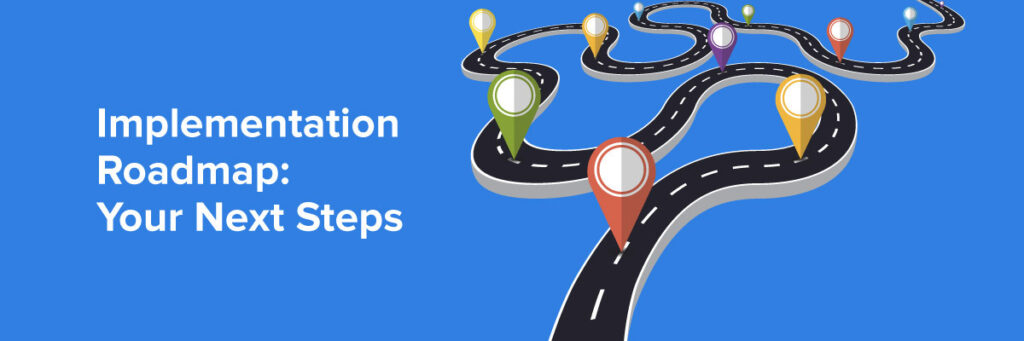
Implementation Roadmap: Your Next Steps

Understanding effective lead generation strategies means little without actionable implementation frameworks. Specifically, translate knowledge into results. However, organisations attempting at the same time deployment of multiple advanced strategies typically achieve disappointing outcomes. Indeed, insufficient focus results. Moreover, resources spread too thin. Therefore, phased implementation approaches put quick wins first whilst building towards full strategies. Consequently, these deliver superior outcomes through manageable execution and early momentum.

30-Day Quick Wins

The first month should focus on highest-impact and lowest-effort improvements. Specifically, deliver visible results that build organisational confidence and momentum. Indeed, audit existing lead generation activities. Moreover, identify obvious gaps and inefficiencies addressable without extensive resources or technology investments. Therefore, low-hanging fruit delivers measurable improvements quickly. For example, improve landing page conversion through copy and design refinements. Additionally, optimise email sequences. Furthermore, better lead qualification criteria implementation works well.

Moreover, install full tracking infrastructure enabling proper measurement. Specifically, this should receive priority attention. Indeed, data-driven optimisation requires reliable baseline metrics and ongoing performance visibility. Therefore, implement website analytics, CRM integration, and conversion tracking. Although these may not immediately improve results, they create foundation enabling all later optimisation. Consequently, organisations lacking proper measurement unavoidably waste resources on ineffective activities. Additionally, they miss opportunities to double down on successes.

Furthermore, sales and marketing alignment discussions ensure shared definitions of qualified leads. Specifically, establish agreed handoff processes and regular communication cadences. Therefore, this prevents common friction points that undermine even technically sound lead generation programmes. Indeed, many lead generation failures result not from poor marketing execution. Instead, misalignment causes sales teams to ignore or poorly handle marketing-generated leads. Consequently, address these issues immediately. As a result, create conditions for success rather than allowing dysfunction to continue.

90-Day Strategy Implementation

The ninety-day timeframe enables deployment of more large initiatives. Specifically, these require strategic planning, resource allocation, and coordinated execution. Therefore, select two or three focus strategies from the ten discussed. Moreover, avoid attempting everything at the same time. Consequently, this ensures adequate attention and resources for proper implementation. Indeed, disciplined focus typically delivers better outcomes than scattered efforts across multiple fronts.

Furthermore, content marketing and lead nurturing programmes represent logical ninety-day priorities. Specifically, they hold foundational importance. Moreover, implementation is relatively straightforward. Therefore, develop full content inventories addressing target buyer journeys. Additionally, create lead magnets and associated landing pages. Furthermore, build automated nurturing sequences. Consequently, this infrastructure supports ongoing lead generation and conversion improvement. Indeed, these assets deliver value immediately. Moreover, they compound over time through ongoing traffic and engagement.

Additionally, technology platform implementation or optimisation undertaken during this phase establishes capabilities. Specifically, these enable more advanced future strategies. Therefore, deploy marketing automation. Moreover, upgrade CRM functionality. Furthermore, implement advanced analytics. Consequently, this creates infrastructure supporting long-term success. However, technology implementation must be accompanied by process design and user training. Indeed, ensure capabilities translate into actual usage. As a result, avoid expensive tools that sit unused on shelves.

Long-term Growth Planning

Sustainable lead generation success requires continuous evolution. Specifically, adapt to changing market conditions, competitive dynamics, and organisational capabilities. Therefore, long-term planning should envision mature lead generation operations. Moreover, include advanced strategies. Additionally, build large content libraries. Furthermore, develop well-trained teams. Indeed, create robust technology infrastructure. Consequently, this vision guides incremental progress. Moreover, maintain realistic expectations about timeframes and investments required.

Furthermore, quarterly roadmap reviews assess progress. Specifically, celebrate successes. Moreover, adjust priorities based on learnings and changing circumstances. Therefore, these reviews should examine which strategies deliver strongest results. Indeed, these deserve increased investment. Additionally, identify which underperform. Moreover, these require refinement or abandonment. Furthermore, explore which new opportunities merit exploration. Consequently, this discipline prevents stagnation. Indeed, ensure changes result from data-driven insights rather than whims or latest trends.

Finally, organisational capability building through training, hiring, and knowledge development ensures lead generation advancement. Specifically, grow alongside strategic ambitions. Indeed, even perfect strategies fail without capable execution. Moreover, strong teams extract value from imperfect approaches through skilled implementation and continuous improvement. Therefore, invest in people development alongside strategy and technology. Consequently, this creates sustainable competitive advantages. Indeed, competitors cannot easily replicate these.

Frequently Asked Questions

How long does it take to see results?

Results timeframes vary dramatically. Specifically, consider current baseline performance, selected strategies, implementation quality, and market conditions. Indeed, quick wins from landing page optimisation deliver measurable improvements within weeks. Additionally, improved lead qualification and email sequence refinements work quickly. However, full transformations including advanced strategies take longer. For example, account-based marketing, mature content libraries, and refined automation typically require three to six months. Subsequently, large pipeline impact becomes evident then.

Furthermore, long B2B sales cycles mean even perfectly executed lead generation delivers delayed revenue impact. Specifically, leads generated today convert to closed deals only after typical buying process durations. Therefore, organisations should track leading indicators. Indeed, include lead volume, quality, and engagement alongside lagging revenue metrics. Moreover, these leading indicators provide early validation of strategy effectiveness. Subsequently, revenue comes later. Consequently, this enables confident continued investment despite delayed ultimate outcomes.

Moreover, patience proves essential. Specifically, prematurely abandoning strategies before they fully mature represents common failure modes. However, balance patience with accountability. Indeed, indefinite investment in persistently underperforming strategies wastes resources. Therefore, establish clear success criteria and review milestones before launching initiatives. Consequently, this enables objective assessment. Additionally, avoid emotional reactions to early challenges or competitor pressure to constantly chase new tactics.

What’s the average cost per lead in B2B?

Cost per lead varies enormously across industries, company sizes, solution types, and geographic markets. Indeed, universal benchmarks prove of limited utility. For instance, enterprise software targeting large corporations typically incurs CPL ranging from several hundred to several thousand pounds per lead. Specifically, this reflects expensive reach requirements and lengthy sales cycles. In contrast, B2B services targeting small businesses often achieve substantially lower CPL. Indeed, more efficient channels and broader target markets enable this.

Therefore, rather than obsessing over benchmark comparisons, organisations should focus on their own acceptable CPL. Specifically, calculate this from average deal values, conversion rates, and target profit margins. Moreover, work backwards from revenue targets through realistic conversion assumptions. Consequently, this reveals sustainable CPL thresholds. Indeed, exceeding these thresholds indicates efficiency problems requiring attention. In contrast, maintaining comfortable margins enables confident growth investment.

Furthermore, CPL trends matter more than absolute values. Specifically, gradually decreasing costs signal improving efficiency and mastery. In contrast, escalating costs indicate emerging problems. Therefore, monitor these trends by channel. Consequently, this enables early problem detection and remediation. Indeed, address small issues before they compound into significant challenges. However, never assess CPL independently from quality metrics. Ultimately, artificially low CPL achieved through quality degradation proves counterproductive.

How do you qualify leads effectively?

Lead qualification separates prospects with genuine potential from those unlikely to convert. Specifically, this enables sales teams to focus limited resources on most promising opportunities. Indeed, effective qualification frameworks balance efficiency and accuracy. Moreover, require minimal resources to assess large lead volumes. Additionally, ensure actually qualified leads are not inappropriately rejected. Consequently, poor fits should consume no sales attention.

Furthermore, firmographic qualification based on company size, industry, geography, and other objective characteristics provides foundational filtering. Specifically, prospects outside target parameters rarely convert. Indeed, expressed interest or engagement levels make no difference. Therefore, marketing automation platforms typically handle this filtering automatically. Moreover, route appropriate leads to sales. Additionally, direct others to nurturing or disqualification. Consequently, clear and objective firmographic criteria prevent subjective interpretation. As a result, consistent qualification results.

Moreover, behavioural and engagement signals reveal genuine interest levels. Specifically, these complement firmographic fit. For example, website activity patterns, content consumption, email engagement, and form submissions indicate research depth. Additionally, they show buying stage progression. Therefore, leads showing sustained and deepening engagement deserve higher qualification status. In contrast, compare them to those with sporadic and superficial interactions. Indeed, identical firmographic profiles may exist. Consequently, combine fit and engagement through multidimensional scoring. As a result, this creates advanced qualification. Ultimately, significantly outperform single-factor approaches.

Should I use HubSpot or Salesforce for my CRM?

The decision between HubSpot and Salesforce depends on organisation size, complexity requirements, technical capabilities, and growth trajectory. Specifically, HubSpot excels for small to mid-sized businesses. Indeed, these seek integrated marketing and sales platforms. Moreover, intuitive interfaces require minimal training. Therefore, the platform’s strength lies in ease of use. Additionally, tight integration between marketing automation, sales engagement, and customer service functionality works well. However, customisation capabilities and advanced features lag behind Salesforce. Consequently, this potentially creates limitations. Specifically, organisations scale or require advanced functionality.

In contrast, Salesforce offers unmatched customisation, advanced functionality, and scalability. Specifically, it suits large enterprises with complex requirements. Moreover, the platform’s robust third-party ecosystem provides solutions for virtually any business need. Additionally, powerful automation and analytics capabilities support advanced operations. However, this power comes with substantially higher costs. Furthermore, implementation timeframes are longer. Indeed, learning curves are steeper than HubSpot. Therefore, smaller organisations often find Salesforce overwhelming. Specifically, it proves unnecessarily complex for current needs.

Consequently, the decision should consider current requirements and anticipated growth trajectories. Moreover, evaluate existing technical capabilities. Additionally, calculate total cost of ownership including licensing, implementation, training, and ongoing administration. Indeed, organisations with significant Salesforce expertise or existing Salesforce implementations typically benefit from maintaining ecosystem consistency. In contrast, those starting fresh or seeking simplicity often favour HubSpot’s accessibility. Therefore, the vast middle ground requires careful evaluation. Ultimately, weigh specific priorities and constraints.

What is account-based marketing and when should I use it?

Account-based marketing represents a basic shift from broad lead generation. Specifically, move towards concentrated efforts targeting specifically identified high-value accounts. Indeed, rather than casting wide nets hoping to capture any interested prospects, ABM focuses all marketing and sales resources on thoroughly researched target accounts. Moreover, these represent ideal customers. Therefore, this approach proves particularly effective for enterprise sales. Specifically, individual client values justify large investment in personalised engagement strategies.

Furthermore, ABM becomes appropriate under specific conditions. Indeed, organisations must have clearly defined ideal customer profiles. Additionally, long sales cycles with multiple decision-makers exist. Moreover, high average deal values justify personalised investment. Furthermore, sales teams prove capable of executing coordinated account strategies. Therefore, the approach requires advanced targeting. Indeed, deep account intelligence matters. Additionally, personalised content development becomes necessary. Moreover, planned multi-channel engagement is essential. Consequently, smaller deals cannot economically support this.

Finally, successful ABM implementation demands close sales and marketing alignment. Specifically, large content investment becomes necessary. Moreover, advanced technology infrastructure is required. Additionally, patience to see results across extended timeframes proves essential. Indeed, organisations lacking these prerequisites often achieve disappointing outcomes. Nevertheless, theoretical advantages exist despite this. Therefore, start with pilot programmes targeting limited account lists. Consequently, this enables learning and refinement before full-scale deployment. As a result, reduce risk whilst building capabilities. Ultimately, demonstrate value to doubtful stakeholders.

How can I improve my landing page conversion rates?

Landing page conversion rate improvement requires systematic optimisation. Specifically, address multiple elements influencing visitor decisions. Indeed, clear and compelling value propositions prove essential. Moreover, immediately communicate benefits and differentiation. Therefore, visitors decide within seconds whether pages merit attention. Consequently, headlines must grab interest. Additionally, clearly articulate what visitors receive. Furthermore, support with concise copy emphasising outcomes over features.

Moreover, form design significantly impacts conversion rates through friction management. Specifically, request minimal information to increase completion likelihood. Indeed, organisations must balance conversion volume against lead quality from limited data. Therefore, progressive profiling gradually collects information across multiple interactions. Consequently, this optimises the trade-off. Additionally, clear privacy statements and value communication explain what happens post-submission. As a result, these build trust. Furthermore, set appropriate expectations.

Finally, social proof through testimonials, case studies, client logos, and trust badges reduces perceived risk. Specifically, build credibility. Moreover, match social proof to specific visitor segments. Consequently, this increases relevance and persuasiveness. Additionally, strong calls to action use action-oriented language. Furthermore, visual prominence matters. Indeed, clear next steps guide visitors towards desired actions. Therefore, continuous A/B testing of headlines, copy, images, forms, and calls to action reveals what resonates most effectively. Ultimately, enable ongoing improvements based on data rather than assumptions.

The Complete Guide to Digital Marketing in Hong Kong 2025: Strategies & Trends

The digital marketing landscape in Hong Kong continues to evolve at a remarkable pace. It presents both unprecedented opportunities and unique challenges for businesses operating in this dynamic market. As we navigate through 2025, understanding Hong Kong’s digital ecosystem has become essential. Any organisation seeking to establish a meaningful presence needs this knowledge to drive sustainable growth. This comprehensive guide explores the strategies, trends, and insights that define successful digital marketing in one of Asia’s most sophisticated markets.

Table of Contents

TLDR: Key Takeaways

  • Bilingual strategy is essential: Traditional Chinese resonates for financial and family services; English appeals to younger consumers for lifestyle and technology products
  • Multi-platform presence required: Success demands presence across WeChat, Instagram, Facebook, and LinkedIn, with mobile-first optimisation
  • AI has become fundamental: Chatbots and predictive analytics enable the personalisation that sophisticated Hong Kong consumers expect
  • Cross-border opportunities expanding: Greater Bay Area integration and Southeast Asian markets offer substantial growth potential
  • Sustainability is now core: Authentic environmental and social commitments influence purchase decisions, particularly amongst younger demographics
  • First-party data is critical: Investment in data infrastructure and in-house capabilities is essential as privacy restrictions increase

Why Digital Marketing in Hong Kong is Unique in 2025

Hong Kong occupies a distinctive position in the global digital marketing arena. It serves as a bridge between East and West while maintaining its own cultural and technological identity. The city’s unique blend of international business culture and deep-rooted Chinese traditions creates a marketing environment unlike any other in the region. Understanding these nuances is essential for campaigns that resonate with local audiences while maintaining global appeal.

The Bilingual Market Advantage

The bilingual nature of Hong Kong presents both opportunity and complexity for digital marketers. Traditional Chinese and English coexist seamlessly in daily commerce. Consumers frequently switch between languages depending on context, platform, and content type. This linguistic duality means that successful digital marketing strategies must carefully consider which language to employ for different segments. A single-language approach will not suffice.

Research indicates that younger Hong Kong consumers often prefer English content for technology, fashion, and lifestyle products. They view it as more contemporary and globally connected. Traditional Chinese content tends to generate stronger engagement for family-oriented services, healthcare, property, and financial products. Trust and cultural relevance are paramount in these categories.

The most sophisticated marketers in Hong Kong now employ dynamic language strategies. They adapt content based on user behaviour, demographics, and purchase intent. They avoid applying blanket language policies across all touchpoints.

Platform Preferences and User Behaviour

Hong Kong consumers exhibit distinct platform preferences. These diverge significantly from both Western markets and mainland China. The absence of the Great Firewall means that international platforms like Google, Facebook, and Instagram operate freely. Chinese platforms such as WeChat and Xiaohongshu also thrive here. This creates a fragmented but opportunity-rich environment. Marketers must maintain presence across multiple ecosystems to achieve comprehensive market coverage.

Mobile-first behaviour dominates Hong Kong’s digital landscape. Smartphone penetration exceeds 95%. Average daily screen time surpasses four hours. This mobile orientation influences everything from content format preferences to purchase behaviour patterns.

Hong Kong consumers expect seamless mobile experiences. Fast loading times, intuitive navigation, and frictionless checkout processes are non-negotiable. Any digital marketing strategy that fails to prioritise mobile optimisation risks alienating the majority of potential customers.

Hong Kong Market Specifics Every Marketer Must Know

Success in Hong Kong’s digital marketplace requires intimate knowledge of local market dynamics. These extend far beyond surface-level demographics. The city’s compact geography, high internet penetration, and sophisticated consumer base create conditions where competition is intense. Consumer expectations are exceptionally high.

Language Strategy: Traditional Chinese vs English

Developing an effective language strategy for Hong Kong requires moving beyond simple translation. True localisation is essential. Traditional Chinese content must be crafted specifically for Hong Kong audiences. It should not be repurposed from Taiwanese or mainland Chinese sources. Subtle differences in vocabulary, idioms, and cultural references can significantly impact how messages are received.

The strategic deployment of English versus Traditional Chinese should be informed by data and testing. Assumptions are not sufficient. Financial services firms often find that English content performs better for investment products targeting affluent professionals. Traditional Chinese resonates more strongly for insurance and retirement planning.

E-commerce brands may discover that product descriptions in English attract younger shoppers seeking international brands. Traditional Chinese reviews and customer service build trust across all age groups.

Code-switching mirrors natural Hong Kong communication patterns. This practice involves mixing English and Traditional Chinese within the same content. It can create authenticity when done skillfully. However, this approach requires deep cultural understanding to avoid appearing forced. The most effective code-switching typically involves English technical terms or brand names embedded naturally within Traditional Chinese sentences. This reflects how Hong Kong residents actually speak.

Social Media Platform Dominance in Hong Kong

The social media landscape in Hong Kong is characterised by platform diversity and high engagement levels. Unlike markets where one or two platforms dominate, Hong Kong marketers must develop sophisticated multi-platform strategies. This approach is necessary to reach different audience segments effectively.

The Business Impact of WeChat’s

WeChat maintains a powerful position in Hong Kong despite facing competition from numerous alternatives. Its strength lies primarily in cross-border communication with mainland China. It also integrates within Chinese business ecosystems. For businesses targeting mainland Chinese tourists, cross-border shoppers, or companies with operations spanning Hong Kong and the mainland, WeChat represents an indispensable channel. It enables seamless customer engagement and transaction completion.

WeChat Mini Programs have emerged as particularly effective tools for retail and hospitality businesses. These lightweight applications enable brands to deliver e-commerce functionality, loyalty programs, and customer service. Users do not need to download separate apps. The integration with WeChat Pay facilitates frictionless transactions. This proves particularly valuable for capturing impulse purchases. It also serves mainland visitors who rarely carry credit cards.

Instagram and Facebook Usage Patterns

Instagram has solidified its position as the platform of choice for lifestyle, fashion, beauty, and food-related brands in Hong Kong. The platform’s visual nature aligns perfectly with Hong Kong’s highly aesthetic consumer culture. Image and presentation carry significant weight here. Instagram Stories and Reels have become essential formats for brands seeking to maintain a daily presence. They showcase personality beyond polished feed content.

Facebook continues to serve important functions in Hong Kong despite declining engagement among younger demographics. The platform remains crucial for reaching older consumers. It facilitates community building through groups. It delivers performance-driven advertising with sophisticated targeting capabilities. Facebook’s strength in Hong Kong lies not in organic reach but in its advertising infrastructure. This continues to offer exceptional return on investment when campaigns are properly optimised.

LinkedIn for B2B in Hong Kong

LinkedIn has experienced substantial growth in Hong Kong. It is now the platform of choice for business-to-business marketing and professional networking. The city’s concentration of multinational corporations, financial institutions, and professional services firms creates ideal conditions for LinkedIn’s value proposition. Decision-makers in Hong Kong actively use LinkedIn for industry insights, professional development, and vendor research. This makes it essential for B2B marketers.

Content strategy on LinkedIn in Hong Kong should balance thought leadership with practical insights. Posts that share market analysis, regulatory updates, or operational best practices generate significantly higher engagement. Overt sales messaging performs poorly. Video content has proven especially effective at building brand authority. Short-form interviews with executives or expert commentary on industry trends generate quality leads within Hong Kong’s professional community.

The digital marketing landscape in Hong Kong is being transformed by technological advancement, changing consumer expectations, and evolving regulatory frameworks. Understanding these trends enables marketers to position their strategies for future success. They can move beyond simply responding to present conditions.

AI-Powered Personalisation Takes Centre Stage

Artificial intelligence has moved from experimental technology to essential infrastructure. This shift is critical for competitive digital marketing in Hong Kong. The sophistication of AI tools now available enables unprecedented levels of personalisation. Brands can deliver highly relevant experiences to individual consumers at scale.

Hong Kong consumers are accustomed to high service standards and personalised attention in physical retail. They increasingly expect similar treatment in digital channels.

Chatbots and Customer Service Automation

Advanced chatbots powered by natural language processing have become standard features. They appear on Hong Kong e-commerce sites and service provider platforms. These systems now handle increasingly complex queries in both Traditional Chinese and English. They provide instant responses regardless of time zone or business hours.

The most sophisticated implementations in Hong Kong seamlessly blend AI-driven responses with human handoff. This occurs when queries exceed automation capabilities. The approach ensures customer satisfaction while controlling service costs.

The effectiveness of chatbot deployment in Hong Kong depends heavily on language quality and cultural appropriateness. Chatbots that communicate in stilted or mainland-style Chinese quickly frustrate Hong Kong users. Those that capture local linguistic patterns and inject appropriate personality build positive brand perception. Leading brands now invest substantially in training their AI systems on Hong Kong-specific language data. This ensures natural, culturally resonant interactions.

Predictive Analytics for Better Targeting

Predictive analytics platforms enable Hong Kong marketers to anticipate consumer behaviour with remarkable accuracy. They optimise everything from content timing to product recommendations. By analysing historical data patterns, these systems identify which customers are most likely to convert. They determine which are at risk of churning. They predict what messages will resonate with specific segments.

This capability proves particularly valuable in Hong Kong’s competitive market. Customer acquisition costs continue rising. Retention becomes increasingly critical to profitability.

The application of predictive analytics extends beyond marketing. It influences product development, inventory management, and customer service resource allocation. Retailers use these systems to forecast demand spikes around Chinese New Year and other key shopping periods. This ensures adequate stock and promotional readiness. Service providers leverage predictive models to identify which customers would benefit most from premium tier upgrades. They personalise their upgrade offers for maximum conversion rates.

Cross-Border E-commerce Boom

Hong Kong’s strategic position as a gateway between international markets and Greater China has never been more valuable. The city’s robust logistics infrastructure, trusted legal system, and free port status create ideal conditions. Businesses can effectively serve customers across borders. Digital marketers in Hong Kong increasingly focus on strategies that capitalise on these cross-border opportunities.

Mainland China Integration Opportunities

The Greater Bay Area initiative has accelerated integration between Hong Kong and mainland Chinese cities. This creates substantial opportunities for businesses that can navigate both markets effectively. Hong Kong brands enjoy significant trust advantages with mainland consumers. They view Hong Kong products as higher quality and more authentic than alternatives.

Digital marketing strategies that emphasise Hong Kong origin, quality standards, and international certification resonate strongly. Mainland Chinese audiences actively seek premium products.

Payment integration represents a critical success factor for Hong Kong businesses targeting mainland customers. Supporting Alipay and WeChat Pay alongside international payment methods enables frictionless transactions. This works for all customer segments. Logistics partnerships that offer convenient cross-border delivery with transparent tracking build confidence. They encourage repeat purchases from mainland buyers who value reliability and speed.

Southeast Asia Market Expansion

Hong Kong businesses increasingly look southward to Southeast Asian markets. Rising middle classes and increasing internet penetration create substantial growth opportunities. Digital marketing strategies targeting these markets must account for significant diversity. Language, culture, and digital maturity vary considerably across the region. What works in Singapore may prove ineffective in Vietnam or Indonesia. Localised approaches are required for each target market.

The expertise Hong Kong marketers have developed in navigating cultural complexity translates effectively to Southeast Asian expansion. Managing bilingual communications for Hong Kong audiences prepares them well. Brands that successfully balanced Traditional Chinese and English content often find they can adapt these capabilities. They can manage the multilingual requirements of regional expansion.

Hong Kong’s neutral positioning and international reputation provide credibility advantages. Brands from larger neighbouring countries sometimes face political sensitivities. Hong Kong brands avoid these complications.

Sustainability Marketing Becomes Essential

Environmental, social, and governance considerations have transitioned from optional corporate responsibility initiatives to core business imperatives. This shift is evident across Hong Kong. Consumers, particularly younger demographics, increasingly factor sustainability into purchase decisions. They demonstrate willingness to pay premium prices for products from genuinely sustainable brands. This shift requires digital marketers to develop authentic sustainability narratives. These must be supported by concrete actions rather than superficial greenwashing.

ESG Communications Strategy

Effective environmental, social, and governance communications in Hong Kong require transparency, specificity, and verifiable claims. Vague statements about caring for the environment or supporting communities generate scepticism rather than trust. Successful brands share detailed information about their supply chains. They provide carbon reduction targets with progress metrics. They document community impact initiatives with measurable outcomes. This level of transparency aligns with Hong Kong consumers’ high expectations for corporate accountability.

Digital channels provide ideal platforms for ongoing ESG storytelling. This extends beyond annual reports to continuous engagement. Behind-the-scenes content showing sustainable practices builds authentic narratives. Employee spotlights highlighting community involvement resonate with values-driven consumers. Regular progress updates on environmental targets strengthen loyalty.

Interactive content that enables customers to track the environmental impact of their purchases deepens engagement. Allowing them to participate in brand sustainability initiatives has similar effects.

Green Marketing Appeals to Hong Kong Consumers

Hong Kong consumers respond positively to green marketing messages when supported by genuine commitment. Tangible benefits are also essential. Emphasising practical advantages often proves more effective than abstract environmental appeals. Energy efficiency, health benefits, or long-term cost savings are concrete. Product packaging highlighting recyclability, refill options, or reduced plastic use addresses concerns that Hong Kong consumers navigate daily. Their densely populated urban environment makes these issues particularly relevant.

Partnerships with recognised environmental organisations or certification bodies enhance credibility. Hong Kong consumers place substantial trust in third-party validation. Certifications from bodies like Green Council, BEAM Plus, or international standards are particularly valuable. Digital marketing content should prominently feature these credentials. Explain what they mean in practical terms that consumers can understand and value.

Proven Digital Marketing Strategies by Industry

Different industries face distinct challenges and opportunities in Hong Kong’s digital marketplace. Understanding these sector-specific dynamics enables marketers to deploy strategies proven effective within their particular competitive context. Generic approaches may not address industry-specific realities.

Financial Services: Navigating Compliance While Growing

Financial services marketing in Hong Kong operates within one of the world’s most sophisticated regulatory environments. The Securities and Futures Commission, Hong Kong Monetary Authority, and Insurance Authority maintain strict oversight. Marketing communications require careful navigation of compliance requirements. Marketers must still create engaging content that attracts and converts customers.

Content Marketing for Trust Building

Financial institutions in Hong Kong have embraced content marketing as their primary tool for building trust. It establishes thought leadership effectively. Educational content that helps consumers understand complex financial products generates substantial engagement. Content about navigating market volatility or planning for retirement positions brands as trusted advisors. This approach proves particularly effective for attracting affluent Hong Kong consumers. They conduct extensive research before making financial decisions.

Video content has emerged as especially powerful for financial services marketing in Hong Kong. Short educational videos explaining investment concepts generate high engagement. Market analysis updates and retirement planning strategies perform well across social platforms and websites. The key to success lies in making complex topics accessible without oversimplification. Respect the intelligence of Hong Kong audiences. Provide genuinely useful information rather than thinly veiled sales pitches.

Regulatory-Compliant Social Media

Managing social media presence while maintaining regulatory compliance requires robust processes in Hong Kong’s financial services sector. Careful content review is essential. Every post, comment response, and advertisement must adhere to disclosure requirements, fair representation standards, and risk warning obligations. Leading institutions have developed approval workflows that enable timely social media engagement. These ensure compliance oversight.

The most successful financial services brands in Hong Kong use social media primarily for brand building, customer service, and educational content. Direct product promotion is minimised. This approach reduces regulatory risk while building valuable relationships. These ultimately drive business results. When product promotion is necessary, these brands ensure full compliance with disclosure requirements. They craft messages that remain engaging despite regulatory constraints.

Retail and E-commerce: Omnichannel Excellence

Hong Kong’s retail sector has been forced to evolve rapidly. E-commerce adoption accelerated and consumer expectations for seamless omnichannel experiences intensified. The most successful retailers now view online and offline channels as integrated components of a unified customer experience. They no longer treat them as separate operations requiring distinct strategies.

WeChat Mini-Programs for Sales

Forward-thinking Hong Kong retailers have embraced WeChat Mini-Programs as powerful tools. They reach both local consumers and mainland Chinese shoppers effectively. These applications enable full e-commerce functionality within the WeChat ecosystem. They eliminate the friction that occurs when directing users to external websites. Requiring separate app downloads is also unnecessary. The integration with WeChat Pay and the ability to share products through WeChat conversations make Mini-Programs particularly effective for social commerce.

Successful Mini-Program strategies in Hong Kong focus on creating experiences that add value. They go beyond what traditional e-commerce sites provide. Features like virtual try-on for cosmetics and eyewear encourage adoption. Style consultations with AI-powered recommendation engines attract users. Exclusive Mini-Program member benefits drive regular usage. The key lies in giving consumers compelling reasons to shop through Mini-Programs. Treat them as more than alternative storefronts.

Live Commerce Integration

Live commerce has exploded in popularity across Asia. Hong Kong retailers are increasingly incorporating live streaming into their digital marketing strategies. These live shopping events combine entertainment, product demonstration, and real-time purchasing capability. They create engaging experiences that drive immediate sales. The format proves particularly effective for fashion, beauty, home goods, and food products. Visual demonstration enhances product appeal in these categories.

Hong Kong consumers appreciate live commerce that features knowledgeable hosts. These hosts can answer questions in real-time and provide genuine product insights. High-pressure sales tactics are counterproductive. The most successful live streams balance entertainment value with practical information. They create content that viewers enjoy watching even if they do not purchase immediately.

Collaborations with local influencers or celebrities can dramatically boost viewership and lend credibility. Success depends on authentic alignment between the influencer’s personal brand and the products being featured.

B2B Services: Lead Generation That Works

Business-to-business marketing in Hong Kong requires sophisticated approaches. Long sales cycles, multiple decision-makers, and high value of enterprise contracts characterise this market. Digital strategies must focus on building sustained engagement over time. Expecting immediate conversions from initial touchpoints is unrealistic.

LinkedIn Strategy for Hong Kong B2B

A comprehensive LinkedIn strategy represents the foundation of successful B2B marketing in Hong Kong. Regular posting of thought leadership content positions executives as industry authorities. It keeps the company visible in decision-makers’ feeds. The most effective content addresses real challenges that Hong Kong businesses face. It offers practical insights rather than promotional messaging.

Articles analysing regulatory changes generate engagement. Case studies demonstrating measurable results establish credibility. Perspectives on industry transformation spark conversation.

LinkedIn advertising enables precise targeting of decision-makers by job title, company size, industry, and seniority. Hong Kong B2B marketers use sponsored content to promote high-value assets. Industry reports, webinar recordings, or detailed guides require lead form completion to access. The relatively high cost per click on LinkedIn in Hong Kong is justified by the quality of leads generated. This is particularly true for high-value products and services where a single contract can deliver substantial revenue.

Content Marketing for Professional Services

Professional services firms in Hong Kong have discovered that comprehensive content marketing significantly outperforms traditional business development approaches. It generates qualified leads more effectively. In-depth articles, detailed guides, webinar series, and podcast episodes that showcase expertise attract potential clients. These clients are conducting research on service providers. This inbound approach proves especially effective for reaching decision-makers. They prefer to self-educate before engaging with vendors.

The key to successful professional services content marketing in Hong Kong lies in specificity and actionability. Generic advice about best practices rarely generates meaningful engagement. Detailed insights into Hong Kong-specific regulatory requirements demonstrate genuine expertise. Case studies from local companies provide proof. Practical frameworks for addressing regional business challenges add value. This content should be optimised for search engines. It captures organic traffic from professionals researching solutions to specific challenges.

Expert Predictions for Hong Kong Digital Marketing in 2025

Understanding where Hong Kong’s digital marketing landscape is heading enables proactive strategy development. Reactive adjustment becomes unnecessary. Industry experts identify several key trends that will shape marketing practice throughout 2025 and beyond.

Technology Adoption Forecasts

Hong Kong’s technology adoption typically follows a pattern of rapid implementation once solutions prove their value. Emerging technologies moving from experimental to mainstream adoption during 2025 include advanced voice search optimisation. Smart speakers are becoming more prevalent in Hong Kong homes. Augmented reality product visualisation for furniture and fashion retail is advancing. Blockchain-based loyalty programs that enable interoperability between brands show promise.

The integration of artificial intelligence into creative production will accelerate substantially. AI-generated variations of advertising creative will become standard practice for testing and optimisation. However, human creativity and strategic thinking will remain essential. Core brand narratives require human development. Ensuring cultural resonance demands human insight. The most successful marketing teams will effectively blend AI efficiency with human insight. They will not view them as competing alternatives.

Consumer Behaviour Evolution

Hong Kong consumers continue their shift toward values-driven purchasing. They demand greater transparency about product sourcing, manufacturing conditions, and environmental impact. Brands that provide detailed, verifiable information about these factors will enjoy competitive advantages. Those offering vague sustainability claims face increasing scepticism and potential backlash.

Privacy concerns will intensify as Hong Kong consumers become more aware of data collection practices. They become more selective about which companies they trust with personal information. Marketers will need to demonstrate clear value exchange for data sharing. They must provide transparent control over how information is used. First-party data strategies will become increasingly critical. Third-party cookie deprecation continues. Platform privacy restrictions expand.

Preparing Your Business for the Future

Forward-thinking businesses are taking concrete steps now to position themselves for success. Investing in first-party data infrastructure reduces dependence on third-party data sources. This provides a foundation for sustainable personalisation and targeting. Building in-house capabilities for content creation, data analysis, and marketing technology management reduces vendor dependence. It enables greater agility.

Developing authentic brand narratives around sustainability, social impact, and corporate values creates differentiation. Hong Kong’s marketplace is increasingly crowded. This work cannot be rushed or manufactured superficially. It requires genuine commitment from leadership. Consistent reinforcement across all brand touchpoints is necessary. Companies beginning this journey now will have established credible positioning. This will matter when these factors become decisive purchase criteria for mainstream consumers.

Embracing an experimental mindset ensures organisations remain at the forefront of innovation. Allocate budget for testing emerging platforms, formats, and technologies. This prevents scrambling to catch up after competitors demonstrate success. Hong Kong’s competitive environment rewards early movers. They identify effective new approaches before markets become saturated with competition.

The path to digital marketing success in Hong Kong combines deep understanding of local market dynamics with willingness to evolve. Changing consumer expectations and technological capabilities require adaptation. Businesses that maintain this balance while remaining authentic to their brand values will thrive. Hong Kong represents one of the world’s most sophisticated and demanding digital markets.

Frequently Asked Questions

Should I use English or Traditional Chinese for my Hong Kong digital marketing campaigns?

The answer depends entirely on your target audience, product category, and strategic objectives. A one-size-fits-all approach will not work. Research demonstrates that younger Hong Kong consumers typically prefer English content for technology, fashion, and lifestyle products. They view it as more contemporary and globally connected.

Traditional Chinese content generates stronger engagement for family-oriented services, healthcare, property, and financial products. Trust and cultural relevance prove paramount in these categories. The most sophisticated strategy involves dynamic language deployment based on user behaviour, demographics, and purchase intent.

Financial services firms often discover that English content performs better for investment products targeting affluent professionals. Traditional Chinese resonates more strongly for insurance and retirement planning. Testing and data analysis should inform your language strategy. Avoid relying on assumptions. Code-switching that mirrors natural Hong Kong communication patterns can create authenticity. This requires skilful execution with deep cultural understanding.

Which social media platforms should I prioritise for reaching Hong Kong consumers?

Hong Kong’s social media landscape requires a multi-platform presence due to its fragmented nature. Markets where one or two platforms dominate differ significantly from Hong Kong. Instagram has solidified its position as essential for lifestyle, fashion, beauty, and food-related brands. Stories and Reels have become crucial for maintaining daily presence.

Facebook continues serving important functions for reaching older consumers. It delivers performance-driven advertising with sophisticated targeting capabilities. Organic reach has declined amongst younger demographics. WeChat remains indispensable for businesses targeting mainland Chinese tourists and cross-border shoppers. It is also essential for companies with operations spanning Hong Kong and the mainland. Mini Programs prove particularly effective for retail and hospitality.

LinkedIn has experienced substantial growth as the platform of choice for business-to-business marketing. It is essential for reaching decision-makers in Hong Kong’s concentrated professional services sector. The optimal strategy involves maintaining presence across multiple platforms. Tailor content and objectives to each platform’s strengths and audience characteristics.

How can I implement AI-powered personalisation in my Hong Kong marketing strategy?

Implementing artificial intelligence effectively in Hong Kong requires moving beyond basic automation. Create genuinely personalised experiences that match the high service standards consumers expect. Advanced chatbots powered by natural language processing should handle complex queries. Support both Traditional Chinese and English. Provide instant responses while seamlessly transferring to human agents when queries exceed automation capabilities.

The effectiveness depends heavily on language quality and cultural appropriateness. Invest in training AI systems on Hong Kong-specific language data. This ensures natural, culturally resonant interactions. Predictive analytics platforms enable anticipation of consumer behaviour with remarkable accuracy. Identify which customers are most likely to convert. Determine which face churn risk. Predict what messages will resonate with specific segments.

This capability proves particularly valuable given Hong Kong’s rising customer acquisition costs. Retention becomes increasingly critical to profitability. Implementation should begin with clear use cases that address specific business challenges. Build robust data infrastructure to support AI tools. Pursue ongoing refinement based on performance metrics and customer feedback.

What cross-border e-commerce opportunities exist for Hong Kong businesses in 2025?

Hong Kong’s strategic position creates substantial cross-border opportunities in both mainland China and Southeast Asia. The Greater Bay Area initiative has accelerated integration with mainland Chinese cities. Hong Kong brands enjoy significant trust advantages. Mainland consumers view Hong Kong products as higher quality and more authentic.

Digital marketing strategies emphasising Hong Kong origin, quality standards, and international certification resonate strongly. Mainland audiences actively seek premium products. Payment integration supporting Alipay and WeChat Pay alongside international methods enables frictionless transactions. Logistics partnerships offering convenient cross-border delivery with transparent tracking build confidence. They encourage repeat purchases from mainland buyers who value reliability and speed.

Southeast Asian markets present additional growth opportunities. Rising middle classes and increasing internet penetration create demand. The expertise Hong Kong marketers develop in navigating cultural complexity translates effectively. Managing bilingual communications prepares them for the multilingual requirements of regional expansion. Success requires localised approaches for each target market. Recognise significant diversity across the region. Leverage Hong Kong’s neutral positioning and international reputation for credibility advantages.

How should I prepare my business for the evolving Hong Kong digital marketing landscape?

Preparation requires concrete action across several strategic priorities. Do not wait for trends to mature fully. Invest in first-party data infrastructure. This reduces dependence on third-party data sources. It provides a foundation for sustainable personalisation and targeting as privacy restrictions expand. Third-party cookie deprecation continues.

Build in-house capabilities for content creation, data analysis, and marketing technology management. This reduces vendor dependence. It enables greater agility in responding to market changes. Develop authentic brand narratives around sustainability, social impact, and corporate values. This creates differentiation in Hong Kong’s increasingly crowded marketplace. This requires genuine commitment from leadership. Ensure consistent reinforcement across all brand touchpoints. Avoid superficial messaging.

Embrace an experimental mindset. Allocate budget for testing emerging platforms, formats, and technologies. This ensures organisations remain at the forefront of innovation. Avoid scrambling to catch up after competitors demonstrate success. Hong Kong’s competitive environment rewards early movers. They identify effective new approaches before markets become saturated. Willingness to experiment while learning from failures is essential for long-term success.

Ready for some real marketing?

Struggling with marketing in Hong Kong? We can help you fix that. Contact us today!

Social Media Advertising: Definition, Strategy, Top Trends For 2025


What Is Social Media Advertising? 

Social media advertising is a form of digital marketing where businesses pay to promote their brand, products, or services on social platforms like Facebook, Instagram and Youtube. 

Unlike traditional ads, social media ads are designed to blend in with the platform’s content, making them more engaging and less intrusive. These ads can appear in various formats, from images and videos to interactive experiences. This makes it way easier to reach potential customers who are actually interested in what they offer. 

With billions of people scrolling through social media every day, it’s one of the best ways for brands to get noticed and grow their business.

An illustration of diverse social media users interacting on platforms like Facebook, Twitter, TikTok, and LinkedIn, with location markers beneath their profiles. The image represents digital engagement and influencer presence across different networks.

What Are The Benefits of Social Media Advertising

Social media isn’t just for connecting with friends—it’s a massive marketplace where businesses and customers interact daily. To put things into perspective, there are around 5.42 billion social media users worldwide, with the average user spending 2.5 hours every day. With so many eyes on social media, you have a huge opportunity to reach your ideal audience. 

Key Benefits

  • Highly Targeted Reach – Social media platforms collect extensive user data, allowing you to target the right audience based on demographics, location, interests, and past interactions. This ensures that ads reach those that are most likely to convert. 
  • Cost-Effective Marketing – Social media advertising allows you to set flexible budgets, depending on your budget and goals. Many platforms offer pay-per-click (PPC) or pay-per-impression (PPM) models, meaning you only pay when someone interacts with your ad. 
  • Boosted Website Traffic and Sales – Social media ads are designed to generate action, whether it’s website visits, product purchases, or app downloads. With features like shoppable posts and direct links, turning interest into sales is easier than ever.
  • Engaging and Visual Content – Unlike static ads, social media offers interactive formats such as carousels, video ads, and AR experiences. These formats grab attention and encourage higher engagement. Plus, since users are already accustomed to consuming visual content, well-designed ads blend seamlessly into their feeds, making them more likely to be noticed and interacted with.
  • Fast and Measurable Results – Social media advertising delivers instant access to detailed performance analytics like impressions, conversions, and the cost per result. This real-time feedback allows you to quickly see what’s working and what’s not, so you can make data-driven adjustments to improve performance.
  • Builds Customer Relationships – Unlike other types of advertising where the interaction is one-sided, customers can engage with your business. This makes your business feel more human and approachable, strengthening relationships that can lead to loyalty.

All these benefits are even more impressive when you consider the current landscape of social media.

Social Media Advertising Stats

  • Social media is the second biggest segment in digital advertising, second only to search engine ads, earning $207 billion in 2023.
  • An estimated $277 billion is projected to be spent on social media advertising in 2025.
  • Ad spending is expected to grow by about 9.38% each year from 2025 to 2030, reaching an estimated total of $433.28 billion by 2030.
  • Social media advertisements are the primary driver of brand awareness among 16 and 34 year olds.
  • Approximately 48% of social media users have made a purchase after seeing an ad.
  • 54% of social media users research products on these platforms, and 71% are more likely to buy something if it’s recommended on social media.

How Does Social Media Advertising Work?

Running a successful social media ad campaign isn’t just about putting an ad out there—it requires careful planning and strategic execution. Here are a few things you need to consider.

1. Setting Goals and Objectives

Before launching an advertisement, you need to define what you want to achieve. Your goal sets the direction, while objectives give you a measurable way to track success.

Some common social media advertising goals include:

  • Brand Awareness: Get more people to recognise your brand by increasing your reach.
  • Lead Generation: Collect potential customer information, such as emails, for future marketing.
  • Sales & Conversions: Drive purchases, app downloads, or sign-ups.
  • Website Traffic: Encourage users to visit your website or landing page.

Each goal should be specific and measurable. For example, instead of saying, “I want more website traffic,” a clearer objective would be: “Increase website visits by 20% within a month.” 

An infographic illustrating the SMART goals framework, with each letter representing Specific, Measurable, Attainable, Relevant, and Time-bound goal-setting principles. Each section is color-coded and includes icons and brief descriptions.
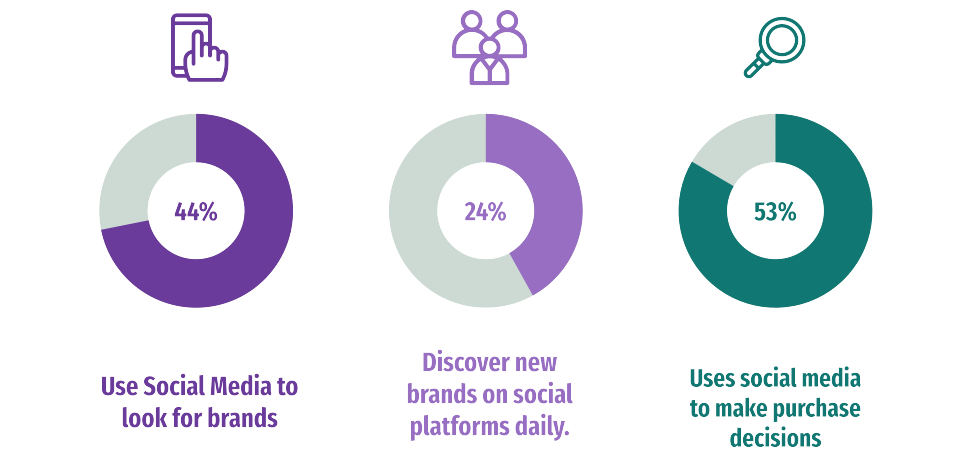
2. Audience Targeting

Instead of showing ads to everyone, make sure you target the right audience. The vast amounts of user data collected by social media platforms means that you can narrow your audience based on:

  • Demographics Age, gender, location, education level, etc
  • Interests – Hobbies, activities, brands followed, content engaged with
  • Behaviors – Shopping habits, online interactions, and past purchases.

For example, if you sell hiking gear, you might target outdoor enthusiasts who follow travel blogs and shop for camping equipment. This precision targeting ensures your ads are shown to people who are actually interested in your product, increasing the chances of conversions. Below, you’ll find a table showing 4 ways you could segment your audience. Decide on one or multiple ways of defining your target audience and start tailoring your social media advertisement to maximise its appeal!

An infographic explaining the four types of market segmentation: geographic, demographic, psychographic, and behavioral. Each category is visually represented with icons and key characteristics listed under each segment.

3. Creating Engaging Ad Creatives

Your ad needs to grab attention fast—people scroll through social media quickly, so you only have a second or two to make an impression. Ad creatives include:

  • Images – High-quality visuals that showcase your product or brand.
  • Videos – Short, engaging clips that tell a story or demonstrate how something works.
  • Carousel Ads – Multiple images or videos in one ad to highlight different features or products.
  • Interactive Ads – Polls, quizzes, or AR filters that boost engagement.

The key is to match your ad creative to your audience and campaign goal.

  • Single image ads – Simple, direct, and effective for brand awareness.
  • Video ads – Great for storytelling and engaging audiences in a more dynamic way.
  • Carousel ads – Allow users to swipe through multiple images or videos, ideal for showcasing product collections.
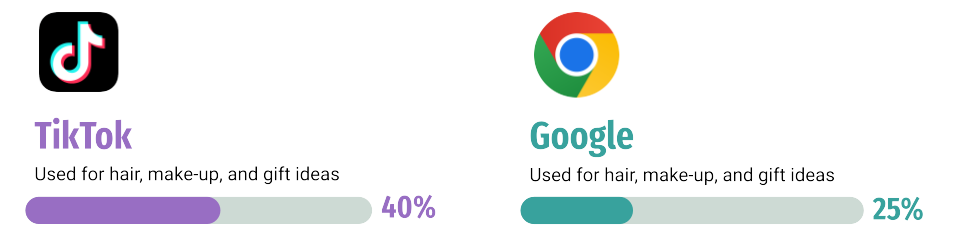
  • Interactive ads – Polls, quizzes, and augmented reality experiences that boost engagement.

Businesses often test multiple versions of an ad to see which performs best. This process, called A/B testing, can help you refine the messaging and visuals to maximise effectiveness.

An Instagram sponsored ad showcasing multiple black noise-canceling headphones against a pink background. The ad includes a "Buy Now!" call-to-action and promotes high-quality sound without interruptions.

4. Bidding and Budgeting

Social media ads operate on a bidding system, meaning advertisers compete to have their ads shown to their target audience. How much you spend depends on your bid strategy and budget.

There are two main ways to manage ad spending:

  • Daily Budget – The maximum amount you’re willing to spend per day
  • Lifetime Budget – A set amount for the entire duration of the campaign.

For example, if you want to drive more traffic to your website, you could:

  • Set a $5 cost per click (CPC).
  • Allocate a $50 daily budget
  • Your ad will run until that daily limit is reached.

Some platforms also offer automated bidding, where the system adjusts bids in real-time to get the best possible results within the budget. Finding the right balance between budget and bid amount ensures ads get enough visibility without overspending.

Which Social Media Platform is Best For Advertising?

With so many social media platforms available, choosing the right one for advertising depends on your business goals, target audience, and budget.

Facebook: Best for Broad Reach and Advanced Targeting

Facebook remains one of the most powerful platforms for social media advertising, thanks to its massive user base of over 3.07 billion monthly active users. It attracts a diverse audience, making it an ideal platform for businesses of all sizes and industries.

Pros:

  • Massive user base spanning various age groups, particularly ages 25-34
  • Highly detailed audience targeting, including custom and lookalike audiences
  • Diverse ad formats, including video, carousel, and lead forms
  • Cost-effective for most budgets, with flexible ad spend options

Cons:

  • Organic reach is low, meaning paid ads are essential
  • High competition can increase ad 
  • Ad fatigue—users see a lot of ads, making it harder to stand out

Best for:

  • Businesses looking to reach a large and diverse audience
  • E-commerce brands running retargeting campaigns
  • Local businesses promoting events or special offers
  • Lead generation for service-based businesses

Read More: Cost of advertising on Facebook 

A Facebook carousel ad mockup for a Cyber Monday sale, featuring multiple product images with bright, comic-style graphics and promotional discount messages. The ad emphasizes limited-time offers and encourages users to shop online.

Instagram: Best for Visual and Engagement-Driven Advertising

With its 2 billion+ users, Instagram is a highly visual platform where ads seamlessly blend into organic content. It’s popular among younger audiences (18-34) and ideal for brands with strong visuals, such as fashion, beauty, food, and travel. Get ahead with 6 practical Instagram trends to follow in 2025.

Pros:

  • High engagement rates, especially for visually appealing ads
  • Instagram Shopping features, allowing direct product purchases
  • Stories and Reels ads provide immersive, full-screen experiences
  • Uses Facebook’s ad targeting, offering powerful audience reach

Cons:

  • Ad costs are generally higher than Facebook’s
  • Limited ad text—ads rely heavily on visuals

Best for:

  • Brands that rely on high-quality visuals (fashion, beauty, food, travel)
  • Businesses targeting younger, mobile-first users
  • E-commerce brands leveraging Instagram Shopping and influencer marketing
  • Companies focusing on brand storytelling through Reels and video ads

Read more: Cost of advertising on Instagram

LinkedIn: Best for B2B and Professional Marketing

LinkedIn is a popular platform for B2B marketing, connecting businesses with professionals, decision-makers, and industry leaders. It is one of the go-to platforms for businesses looking to generate high-quality leads, recruit talent, or build brand authority in their industry.

Pros:

  • Highly effective for B2B lead generation
  • Professional audience, including decision-makers and executives
  • Advanced ad targeting based on career-related data
  • Sponsored InMail ads allow direct messaging to potential clients

Cons:

  • Higher cost-per-click (CPC) compared to Facebook and Instagram
  • Smaller audience compared to other platforms
  • Not as visually engaging, limiting creative ad options

Best for:

  • B2B companies generating leads and networking with professionals
  • Brands selling high-value services or software
  • Recruiting talent and employer branding
  • Promoting industry events, whitepapers, and thought leadership content

Read more: Cost of advertising on LinkedIn

YouTube: Best for Video Marketing and Brand Awareness

With over 2 billion monthly active users, YouTube is a powerful social media platform for advertising. Video ads can be highly engaging, making them perfect for businesses that want to showcase products, share tutorials, or tell a compelling brand story.

Pros:

  • Massive audience reach across multiple demographics
  • High engagement rates with video content 
  • Strong ad placement options, including skippable, non-skippable, and bumper ads
  • Advanced targeting, including behavioral and interest-based ads

Cons:

  • Ad skipping—many users skip ads after a few seconds
  • Video production can be expensive compared to image-based ads
  • Highly competitive in popular niches

Best for:

  • Showcase tutorials, product demos, and testimonials
  • Tell a brand story 
  • Businesses running awareness campaigns or product launches

Read more: Cost of advertising on Youtube

Key Social Media Advertising Trends for 2025

1. Social Media Ad Spending is Booming

Businesses are investing heavily in social media ads, with total spending projected to reach $276.7 billion. This rapid growth shows how essential social platforms have become for digital marketing.

2. Mobile Advertising is the Future

By 2030, 83% of all social media ad spending will come from mobile devices. With more people using their phones to browse social media, optimising ads for mobile is no longer optional—it’s necessary.

3. Brand Discovery 

Social media ads are the top driver of brand awareness among internet users aged 16 – 34. This means businesses looking to establish a strong presence should prioritise social media advertising.

4. Influencer Marketing is on the Rise

The influencer marketing industry is expected to grow to $32.55 billion in 2025. Instagram leads the way, with 57.1% of marketers using it for influencer collaborations.

5. Customer Service on Social Media Matters

73% of social media users say they’ll switch to a competitor if a brand doesn’t respond to them online. Quick, engaging customer service on social platforms can make or break customer loyalty.

6. Online Reviews Shape Buying Decisions

Facebook (40%) and YouTube (32%) are the top platforms where consumers read reviews before making a purchase. This highlights the importance of managing brand reputation and engaging with customer feedback on social media.


SEM campaign with first Page

Want more sales? Want more leads?

See how First Page can drive insane sales. See actual results from your social media advertising campaign! Contact us!


Case Study: A Deep Dive into a Successful Social Media Advertising Campaign

“Stranger Things” made significant waves in popular culture with its fourth season, emerging as the most viewed English-language series on Netflix. A plethora of brands seized the opportunity to integrate their products with the wildly popular ’80s-themed show. However, Domino’s pizza delivery brand stood out with its innovative collaboration with Netflix.


Domino’s and its agency, WorkInProgress, introduced a groundbreaking “mind-ordering” application in May. This app aimed to replicate the telekinetic abilities of Eleven, the show’s protagonist. By blending facial and eye-tracking technology, it allowed customers to order a pizza using only gestures.

“Linking together technologies that had never before been used in tandem was the most evident technical hurdle,” stated Kate Trumbull, Domino’s Senior Vice President of Brand and Product Innovation.

Conveying instructions, such as the requirement for a well-lit environment, presented another layer of complexity. This was skillfully integrated into the narrative. The campaign was further amplified with ads featuring “Stranger Things” cast members Gaten Matarazzo and Caleb McLaughlin, and the introduction of customised pizza boxes with QR codes that activated the unique experience.

“Implementing the entire campaign, which spanned more than a year, necessitated considerable time and attention. However, it also set a fresh standard for our approach to partnerships, highlighting the essential components for their success,” Trumbull added.

The campaign proved to be a success, accruing over 820 million media impressions. It performed exceptionally well among “Stranger Things” enthusiasts, according to a Kantar analysis.

Ned Brown, Chief Creative Officer of agency Bader Rutter, lauded the campaign, saying, “It’s the epitome of co-branding— harmonious and creative, culminating in something entirely unique.”


Final Thoughts

In this rapidly evolving digital era, it’s essential to stay ahead of the curve and employ innovative strategies to make your brand stand out.

At First Page Digital, our team of dedicated experts are ready to help you create a digital marketing strategy that resonates with your target audience and drives measurable results.

Don’t let your brand get lost in the digital shuffle. Harness the power of innovative, data-driven strategies to propel your business forward. Reach out to First Page Digital today, and let’s write your brand’s success story together. Your first page in digital marketing excellence starts with us.


Ready for some real sales?

We know you want to make real money! Get ready to convert customers like crazy. Please do not delay. Contact us today!


Frequently Asked Questions

How can I create an effective social media advertising strategy?

A successful social media advertising strategy starts with clear objectives, understanding your target audience, and determining the most effective social media platforms to reach them. Next, creating engaging content that resonates with your audience is crucial. Experiment with various ad types, like video ads or carousel ads featuring up to ten images, to see what works best. Lastly, continuously monitor and adjust your strategy based on performance metrics and social media trends. For more, check out this blog article: Your Ultimate Guide To Creating A Killer Social Media Strategy.

What are some examples of effective social media ads?

Effective social media ads are those that resonate with the target audience and provoke action. Instagram ads, for example, often capitalise on visually appealing content, while LinkedIn ads might focus more on professional development opportunities. Twitter ads, on the other hand, are often short and witty. The key is understanding what appeals to your target market on each platform.

What is the difference between organic content and paid social advertising?

Organic content refers to posts you create and share on your social media channels without any ad spend. On the other hand, paid social advertising involves promoting your content with an ad campaign to reach a broader or more specific audience. Both are integral to a successful social media marketing strategy, and their use should depend on your business objectives.

How can I measure the success of my social media advertising efforts?

Success in social media ads can be measured through various metrics such as engagement rate (likes, comments, shares), reach, website traffic generated, and conversions, among others. These performance indicators offer valuable insights into the effectiveness of your strategy and can guide necessary adjustments.

Can I run the same social media ad on multiple platforms?

While it’s technically possible to run the same ad on multiple platforms, it may not be the most effective approach. Different social media platforms cater to different user behaviors and preferences. It’s often best to tailor your ads to the nuances of each platform for the best results.


What other marketing tactics can you use to beat your competition?

Here are some useful marketing tactic blogs that can help you break all your past sales records, and your competition in the process:

Are you a busy business owner? You may not have the time to run the marketing tactics you need to make money regularly. If this is the case, we encourage you to review some of our strategic marketing services to drive more sales:


Google Ranking Drop Investigation Guide 2025

Summary

A Google ranking penalty is imposed on websites that breach its Google Search Essentials, resulting in lower search rankings or even removal from search results, which cuts organic traffic. Penalties can be algorithm-driven or manually applied by Google staff for violations such as black-hat SEO tactics, low-quality links, or poor content. Recovery requires fixing the issues and, for manual penalties, requesting Google’s reconsideration.

Before we begin, check out this video on how Google perceives different SEO ranking factors in real life.

LinkedIn Post

How Does Google Search Work?

When you search for something in Google, Google bots will scan indexed pages that align with the search, and prioritise those deemed most relevant and of the highest quality for the user’s specific inquiry. Relevance is assessed using numerous criteria, including the user’s geographical location, language preference, and whether they’re using a desktop or mobile device. For example, a search for “SEO Agency” in the US would show US agencies, while searches in Hong Kong would show Hong Kong agencies instead.


SEM digital marketing pillar

For any business, ASO should be one of the pillars of its app marketing strategy.


Why Will Your Rankings Drop?

With over five years in the SEO field and having worked on more than 700 websites, I’ve seen my fair share of Google ranking drops. These experiences, ranging from internal website issues and competitive shifts to algorithm updates, have been invaluable. Each instance has been a learning opportunity, helping me to quickly diagnose the causes, strategise effective recovery plans, and often improve rankings beyond their original positions.

Google Ranking Drop Screenshot Example

Step 1: Identify The Cause

The first step in addressing Google ranking drops is to analyse how the rankings have shifted. Here are some questions to ask yourself:

  • Magnitude of Rank Drop: Is it a minor drop (less than 5 positions), moderate (5 to 10 positions), significant (20 or more positions), or a complete disappearance from SERP?
  • Affected Pages: Are all pages affected, or just one or two?
  • Clusters/Topics Impacted: Which specific clusters or topics are experiencing the drop?
  • Nature of the Drop: Was the drop sudden or gradual over time?
  • Google Algorithm Changes: Is there an ongoing Google algorithm update?
  • Changes in SERP: Are there significant changes in the new Page 1 SERP?
  • Competitors’ Performance: How are your main competitors faring in rankings?
  • Keyword Ranking History: How long have your keywords been ranking previously?
  • Unusual Site Activity: Are there any strange pages being created on your site without your knowledge?

The following table categorises different types of ranking drops, their likely causes, and the recommended actions to address them.

Ranking Drop ScenarioPossible CauseAction to Consider
Minor slips in rankingNormal fluctuationOften recover without intervention
Continuous slip over a quarterCompetition outperforms SEO effortsReview and adjust SEO strategy
Specific pages’ rankings are disappearingInternal issues (e.g., no-index tag, disallow command)Check for technical errors or changes on the SERP
Significant site-wide dropManual or algorithm penaltyIdentify and rectify issues (more details in this blog)

With this broad guide in mind, let us now dive deeper into specific issues.

Step 2: Align With Google Updates That Affect Rankings

Have your ranking drops been in the same date range as these Google updates have been rolled out? Here’s a summarised and updated list of Google’s significant algorithm changes since 2000, including their effects on keyword rankings:

Google Update (Date)Ranking Effects
Google Dance (2000)Early fluctuations in search rankings due to periodic indexing by Google cause noticeable shifts in SERP positions.
Boston (2003)Initiated Google’s advanced algorithm development, refining link and anchor text evaluations for better search precision.
Florida (2003)A crackdown on spammy SEO tactics, causing major ranking changes and encouraging a focus on quality content.
Caffeine (2010)An infrastructure enhancement for faster, more accurate search indexing, not a penalty-based update.
Panda (2011)Penalise low-quality and thin content, rewarding valuable, well-crafted information.
Venice (2012)Improved local search ranking by integrating traditional search signals.
Penguin (2012-2016)A series of updates targeting manipulative link-building, with the latter versions operating in real-time within the core algorithm.
Hummingbird (2013)Overhauled Google’s core algorithm for a better grasp of queries’ intent and context.
Pigeon (2014)Refined local business listings for more precise and relevant local search results.
Mobile-Friendly Update (2015)“Mobilegeddon,” favours mobile-optimised sites in mobile search rankings.
RankBrain (2015)AI-based component of Hummingbird, interpreting complex queries to enhance result relevance.
BERT (2019)Enhanced understanding of nuanced language in search queries for more accurate results.
Core Updates (2020-2023)Broad updates impacting search results across various topics and industries.
Google Page Experience Update (2021)Emphasised user experience factors like load times and stability.
Product Reviews Updates (2021-2023)Focused on elevating the quality of review content in search results.
Helpful Content Updates (2022-2023)Aimed to prioritise content usefulness and user value in rankings.
Spam Updates (2022-2023)Addressed and penalised web spam tactics to protect search result quality.
Link Spam Update (2022)Targeted spammy links to ensure the quality of backlinks.
Google Search Update (March 2024)The latest integrated update enhances the relevancy and quality of search results while addressing web spam.

Google’s algorithm updates have progressively aimed at refining search quality, penalising poor practices, and rewarding valuable, user-focused content.

Google March 2024 Spam Update

The March 2024 Google spam update caused a lot of low-quality websites to have a drop in rankings. Sites that once smoothly sailed through earlier updates are currently contending with the repercussions of Google’s rigorous new standards. I’ve identified several key tactics that could assist us in adapting to these modifications. Below is an in-depth examination of my findings:

  • Check Your Backlinks: Even if your site has not received a manual penalty from Google, sites that are linking towards your website might have, and these backlinks from a deindexed / penalised domain would lead to a decrease in your rankings.
  • Disavowing Links: Previously, we have moved this strategy away from our usual scope, as Google nowadays is smart enough to ignore poor backlinks instead of penalising your website directly. However, since it seems a lot of spammy websites are suffering manual penalties all over the place, we believe it is time to bring back the disavow of backlinks if you do find backlinks that are now being deindexed by Google.
  • Non-AI Content Writing: Google has explicitly said that AI content does not necessarily lead to a drop in keyword ranking. However, I’ve seen quite a lot of websites having a decrease in ranking, simply because the AI content is not delivering the same helpfulness as experienced, well-written articles. I advise you to seriously monitor content quality and not be lazy when writing your content.
  • Monitoring Google Search Console (GSC): Given the inconsistency in Google’s communication about manual actions, I highlight the importance of regularly checking GSC for any penalties. We cannot rely solely on email notifications, as they may not always be sent.
  • SERP Analysis: When your rankings drop, someone else must have taken your place. Have a look at what Google currently prefers on their first page. What kind of websites is Google ranking nowadays? Do they have a significant amount of helpful content? Are their link portfolios much cleaner? Are trustworthy websites using them as a backlink?
  • Heading Structure Analysis: In extension of the above, are your competitors arranging their content in a much more organised manner? Are their headings providing a much clearer approach to the subject?

Like to learn more about well-crafted headlines for your ads?

We have a great blog post you can read to learn more fast!

SEM headlines!

Step 3: Analysing Technical Issues

Many marketers believe that the only reason to focus on a website’s technical details is to satisfy search engines. Nonetheless, making a website speedy, clear, and easy to use should be the main priority. Fortunately, establishing a strong technological foundation for your website usually leads to an improved user experience that is advantageous to search engines as well.

Internal Website Signals Impacting Google Indexing

Certain internal website setups may mistakenly instruct Google not to index a page or the entire site. Understanding and resolving these issues is critical for regaining your site’s presence in search results.

  • No Index Tag: When applied to pages, this tag directs search engines not to index them.
  • Disallow Command in Robots.txt: This command prevents search engines from indexing certain pages or portions of your site.
  • Canonical Tag Issues: A canonical tag linking to another website might cause Google to prioritise the incorrect page for crawling.
  • Pages added to Google Search Console’s temporary removal tool will be removed from search results for the time selected.

If your website isn’t appearing in search results, Google Search Console can be a powerful ally. It offers reports that help identify crawl and index errors hindering your site’s searchability. Once these issues are pinpointed, you can correct them by adjusting your website’s settings to grant Google appropriate access, which might involve removing specific code or tags. By doing so, you enable Google to crawl and index your pages effectively, ultimately boosting your website’s visibility in search results.

JavaScript Issues Leading to Google Ranking Drops

JavaScript can enhance user experience, but it can also pose challenges for Googlebot’s crawling and indexing.

JavaScript Internal Links

When crucial internal links are in JavaScript, Googlebot may struggle to crawl them, affecting the site’s internal link structure and SEO. In this case, I would recommend avoiding the use of JavaScript links entirely, as Google has repeatedly emphasised that it cannot crawl such links. Links must be within the codes to ensure Google follows the links.

JavaScript for Rendering Content

Essential content rendered through JavaScript might not be indexed effectively if Googlebot faces difficulties in processing it. For content rendering, I recommend using the Astro framework for building content-driven websites, because it is much faster, and Google can definitely pick up the content from this framework.

Blocking JavaScript Files

Conflicting code or disallowing JavaScript files in robots.txt can hinder Googlebot’s ability to properly render and understand your page. To resolve this, simply modify or remove the command in your robots.txt file. You can also test your robots.txt files in Google Search Console before implementing these changes.

Negative SEO Attacks

Negative SEO attacks can severely harm a website’s ranking and reputation. Let’s explore the three common forms of these attacks and the appropriate response strategies.

Signs: A sudden influx of poor-quality and spammy links pointing to your website. These links often originate from malicious or irrelevant sites, possibly already penalised by Google. The anchor texts might include irrelevant or adult terms, or money-related keywords, falsely suggesting black-hat SEO tactics.

Discovery: Use third-party link audit tools such as Ahrefs or Semrush. Alternatively, GSC’s link report will show new links to your website, which might reveal suspicious-looking domains.

Response: Conduct a thorough audit of your link profile. Use the Disavow Tool to remove these harmful links. Ideally, try to get these links removed directly by contacting the webmasters of the linking sites.

Content scraping

Content scraping involves republishing stolen content from one website on another, which can diminish the original content’s value and hinder its ability to rank for relevant keywords.

Signs: A sudden drop in website traffic, duplicate content appearing on other websites, a decrease in website ranking for specific keywords, and alerts from Google Search Console about unnatural inbound links.

Discovery: Use website monitoring tools to track changes in content and backlinks. Schedule regular checks for duplicate content using plagiarism checkers. Analyse website traffic sources to identify suspicious spikes or drops.

Response: Analyse the websites hosting the scraped content to identify the type of content being stolen (e.g., articles, product descriptions). After identifying the scraper, contact them. A common approach is to send a cease-and-desist letter demanding the removal of the scraped content. Alternatively, you could offer the scraper an alternative solution, such as providing access to your content via an API.

In addition to contacting the scraper, you can implement technical measures to make scraping more difficult. A robots.txt file can be used to restrict access to specific folders or files on your website that you don’t want scraped. Header tags like “noindex” or “nofollow” can be added to specific pages to prevent search engines from indexing scraped content. Watermarking your content with a subtle logo or text can also be a deterrent. In severe cases, consulting with a lawyer to explore copyright infringement claims may be necessary.

Website Hacking

Signs: Your website gets hacked, leading to the creation of thousands of pages with nonsensical, spam, or foreign language content. These pages might include outbound links to malicious or adult sites.

Discovery: Use the ‘site:’ search in Google or check in Google Search Console (GSC) to spot these rogue pages.

Response: Engage a cybersecurity firm to remove these pages and secure your website, and use Google’s Temporary Removal Tool to remove these pages from search results.

Blocking pages with a robots.txt file to recover search rankings has inconsistent results. While some webmasters find it effective, others report that it hinders Googlebot’s ability to recognise page removal, thus prolonging the penalty.

Due to the varied outcomes, a test-and-observe approach is recommended. Monitor your site’s performance closely after implementing these measures to gauge their effectiveness in recovering your rankings.

Dealing with negative SEO requires a careful, strategic approach. Quick detection and prompt action are key to mitigating the impact of such attacks on your website’s SEO performance.

The ‘Honeymoon Effect’ in SEO

Freshly launched websites or newly published pages frequently undergo the ‘Honeymoon Effect’ in Google’s search rankings. A temporary visibility boost, while intriguing, can also be misleading for SEO professionals.

What Happens: Upon encountering new content, Google may strategically position it higher in search results. This initial boost is believed to serve as a data collection phase, allowing Google to gather user interaction metrics and assess the content’s relevance.

Subsequent Ranking Refinement: After the initial indexing, you may see these rankings undergo a downward adjustment, settling at a position that more accurately reflects the content’s inherent SEO value. This adjustment is perfectly normal; it signifies Google’s evolving understanding of the content’s placement within the broader search ecosystem.

Keep calm and do SEO: Don’t be surprised by this pattern with new content. It’s simply Google’s way of evaluating new information. By staying focused on core SEO principles, the thought “my Google ranking suddenly dropped” will never be a concern. This means creating top-notch content, prioritising a user-friendly experience, and building a strong backlink profile. These efforts will ultimately help your content land in its rightful ranking spot, beyond the honeymoon phase.

Case Study 1

Situation Overview

A prominent Hong Kong-based e-commerce website dropped dramatically in Google rankings after being targeted by negative SEO involving spammy backlinks. The issue surfaced when multiple blog posts, overly saturated with outbound links to the e-commerce site, were distributed across low-quality domains. These posts were populated with an overuse of exact-match keywords, terms in which the site was previously ranking well.

Issue Development

The e-commerce site experienced a surge in backlinks due to blog posts with excessively high link densities. These posts were quickly replicated across numerous low-authority websites. Googlebot interpreted this sudden influx of backlinks, combined with an unnatural distribution of anchor text heavily focused on commercial keywords, as a strong indicator of potentially manipulative and deceptive link-building tactics designed to artificially boost search rankings.

Google’s Reaction

In line with Google’s strict policies against manipulative link-building, the algorithm identified the site’s backlink profile as suspicious and imposed a ranking penalty. This punitive action led to a precipitous decline in the site’s positions for key search terms, which in turn caused a significant drop in organic traffic and potential revenue.

Analysis

The crux of the problem was the artificial backlink strategy, which was compounded by the involvement of low-quality Hong Kong-centric websites. These sites, known for copying content, magnified the e-commerce site’s SEO issues by creating a backlink profile that appeared to be the result of an orchestrated attempt to manipulate SERPs.

Resolution Steps

An exhaustive link audit was the first step, identifying all the damaging backlinks. The team then utilised the Disavow Tool provided by Google to reject links from these detrimental sources. Outreach was conducted to the administrators of the higher-quality sites that had shared the content, requesting link or content removal. Furthermore, the internal marketing team was briefed on the importance of diversifying anchor text and encouraged to engage in more sustainable link-building practices.

Outcome

After the implementation of these measures and a formal reconsideration request to Google, the e-commerce site began to see a gradual reinstatement of its previous rankings. The process was iterative, as the disavow file had to be updated regularly due to the persistent spread of the original content across new low-quality sites. Moving forward, the site placed a greater emphasis on following Google’s recommended practices for SEO, particularly regarding link acquisition and the distribution of its content.

Case Study 2

Situation Overview

A well-established Hong Kong travel website’s Google search rankings dropped dramatically after an algorithm update. The downturn was traced back to a series of guest blog posts that contained a high volume of backlinks with overly optimised anchor text. These anchors were exclusively focused on high-competition keywords related to Hong Kong travel and tourism.

Issue Development

Soon after these guest posts were published, they were duplicated on numerous low-quality content farms and aggregator sites. This rapid replication resulted in a sudden increase in backlinks, which Google’s algorithms quickly detected. The unusually high percentage of keyword-rich anchor text within these backlinks suggested to Google that the travel website might be engaging in manipulative link-building tactics.

Google’s Reaction

Google’s updated algorithm is designed to punish what it deems to be artificial link patterns and black-hat SEO techniques. Consequently, the travel website was hit with a ranking penalty. This demotion in search rankings resulted in a loss of online visibility, which is particularly crucial for the competitive travel industry.

Analysis

The travel website’s backlink profile, characterised by keyword-stuffed anchor text in guest blog posts and their subsequent duplication on questionable sites, caused the drop, revealing an attempt to manipulate Google rankings.

Resolution Steps

Our recovery strategy involved a thorough backlink audit to pinpoint and disavow problematic links. We also conducted outreach to have duplicate content removed or links stripped from reputable websites. Furthermore, we recommended that their marketing team diversify their content approach, moving away from guest blogging with high keyword densities to prioritise creating engaging, informative content that naturally attracts backlinks.

Outcome

Following the implementation of these remedial actions and a submission of a reconsideration request to Google, the travel website observed a gradual improvement in its search rankings. However, this recovery was ongoing and required continuous monitoring and updating of the disavow file due to the persistent spread of the backlink issue. The website is also committed to a long-term strategy centred around authentic SEO practices, with a renewed focus on creating user-centric content that naturally appeals to both users and search engines while preventing future drops.

Case Study 3

Situation Overview

A financial services website in Hong Kong suffered a sudden drop in Google rankings, attributed to a wave of negative SEO attacks. The problem started when multiple articles featuring high-density keyword links to the website were published on various low-quality financial forums and pseudo-news websites.

Issue Development

These articles, laden with aggressive anchor text using specific financial terms, were swiftly replicated across a network of spammy sites. The rapid proliferation of these links, coupled with their over-optimised anchor text, caught Googlebot’s attention. The pattern resembled tactics commonly seen in black hat SEO, such as link schemes designed to manipulate page rank.

Google’s Reaction

In response to what appeared to be a contrived backlink strategy, Google’s algorithmic filters penalised the financial services website. This penalty led to a demotion in the website’s search rankings for key financial terms, significantly reducing its online visibility and undermining its credibility in a highly competitive market.

Analysis

The website’s backlink profile was identified as the core problem. This was largely due to an unnatural and sudden increase in keyword-stuffed articles disseminated across platforms deemed untrustworthy by Google, suggesting an attempt to manipulate search rankings.

Resolution Steps

The remediation process began with a meticulous link audit to identify all the negative backlinks. We then submitted these links to Google’s Disavow Tool to sever the association with the harmful sites. Outreach was initiated to request content removal from the more cooperative sites that had shared the articles. The website’s internal content strategy was overhauled to prioritise organic link-building and to avoid practices that could result in a similar predicament in the future.

Outcome

Following the implementation of a disavow file and a reconsideration request to Google, the drop in ranking stopped, and the financial services website gradually regained its rankings. This required ongoing effort, as new instances of copied content on spammy sites necessitated continuous updates to the disavow list. Concurrently, the website adopted a stronger SEO strategy, emphasising the creation of high-quality content and the acquisition of legitimate backlinks to adhere to Google’s guidelines and prevent future ranking fluctuations.

Case Study 4

Situation Overview

A Hong Kong education portal, renowned for its university and career resources, experienced an abrupt drop in Google search rankings. The decline was traced to a batch of articles with an unnatural number of backlinks pointing to the portal. These articles, hosted on various low-tier educational blogs, were stuffed with academic and career-related keywords as anchor text.

Issue Development

The proliferation of problematic articles across numerous copycat sites and link farms led to a surge of low-quality backlinks to the education portal. This influx, combined with a high volume of repetitive, keyword-rich anchor text, was detected by Google’s web crawlers and flagged as potential manipulative link-building.

Google’s Reaction

In accordance with its sophisticated algorithm designed to maintain the integrity of search results, Google imposed a ranking penalty on the education portal. The penalty resulted in a demotion in search visibility for numerous education-related keywords, which was detrimental to the portal’s traffic and its role as an educational resource.

Analysis

The sudden aggregation of keyword-dense backlinks from dubious sources led to the portal’s backlink profile appearing artificially inflated, a red flag for Google’s anti-spam measures. The concentration of links from low-authority sites further compounded the issue, signalling a breach of Google’s Webmaster Guidelines.

Resolution Steps

To address the penalty, we embarked on a comprehensive backlink audit to identify and list the negative backlinks. Through Google’s Disavow Tool, the team disavowed the links from the identified domains. Concurrently, they conducted outreach to the owners of the more reputable sites that had replicated the content, requesting link removal or nofollow attributes on the backlinks. The portal also revised its content strategy to focus on generating high-quality, informative content that would attract natural backlinks.

Outcome

Following the submission of a disavow file and a reconsideration request to Google, the education portal began to see a progressive restoration of its prior search rankings. This recovery was an ongoing effort, with regular updates to the disavow file as new problematic backlinks were identified. The portal also intensified its commitment to ethical SEO practices, ensuring future content and backlink strategies were in strict alignment with Google’s best practice recommendations, thereby safeguarding the site from similar issues moving forward.

Final Thoughts

Navigating the complexities of Google ranking drops can be a daunting task, even for the most seasoned webmasters and marketers. Each case study we’ve explored underscores the multifaceted nature of SEO and the need for a strategic, well-informed approach to tackle these challenges.

The value of engaging an experienced SEO professional in such situations cannot be overstated. An expert in the field can efficiently diagnose the root cause of a ranking drop and implement effective strategies to not only recover lost rankings but also to bolster your site’s overall SEO health. This expertise is particularly crucial when dealing with intricate issues like Google algorithm updates, negative SEO attacks, or technical anomalies.

At First Page, we pride ourselves on our team of seasoned SEO agency specialists who bring a wealth of experience and a track record of success. Our professionals are equipped with the latest tools and insights, ready to address any SEO challenge head-on. Whether your business’s  Google ranking dropped overnight or you’re looking to secure a long-term SEO strategy, our team is adept at crafting tailored solutions that align with your unique business goals.


Ready to reach top conversions?

We know you want to make real money! Get ready to convert customers like crazy. Please do not delay. Contact us today!

Unsure of getting in touch? We don’t bite! If you’d prefer, we invite you to learn more about our Landing Page services. Don’t delay, get ahead of the competition now!


What other marketing tactics can you use to beat your competition?

Here are some helpful marketing tactic blogs that can help you break all your past sales records, and your competition in the process:

Are you a busy business owner? You may not have the time to run the marketing tactics you need to make money regularly. If this is the case, we encourage you to review some of our strategic marketing services to drive more sales:

Helpful Link Building Strategies for 2025


Link building is a complex and ever-changing field. What worked in 2020 might not work in 2025, so it’s important to stay up to date on the latest strategies.

Now, more than ever, small business owners need to focus on building strong links. Not only does this help with search engine optimization (SEO), but it also improves your website’s credibility and can even lead to increased traffic.

In this blog post, we’ll discuss some of the most effective link building strategies for 2025.

Whether you’re just starting out or you’ve been doing SEO for years, these tips will help you boost your website’s rankings. So what are you waiting for? Read on to learn more!


If you’ve dabbled in SEO, chances are you’ve heard the term “link building” thrown around. But what exactly is it?

In short, link building refers to the practice of acquiring external links back to your website from other reputable websites.

These links can greatly impact your search engine rankings and overall SEO success. While some may still cling to the myth that keyword stuffing will boost their rankings, many SEO experts agree that link building has become a crucial ranking factor for Google and other search engines.

Sites with a strong link profile regularly appear at the top of search engine results pages (SERP), making effective link building a must for any serious online marketer or business owner.

In 2025, don’t ignore those links – start building them (if you have not done so already) and watch your ranking on search engines like Google soar.


great content will create back links
Great content lead to a web of links

Strategy 1: Create great content that people will want to share

Link building is still a crucial aspect of any successful SEO strategy. And while there are a lot of sneaky tactics out there, the best way to build links is by creating amazing content that people actually want to share.

Forget trying to manipulate Google and focus on producing valuable, informative, and entertaining content.

Your website’s ranking will thank you for it in the long run. Plus, creating helpful content for readers is just good business sense.

It’s a win-win situation: your readers get useful information, and your website gains quality backlinks.

So forget shady link building techniques and focus on creating stellar content – that’s the real secret to improving your search engine rankings.


Strategy 2. Get involved with relevant online communities and forums

One of the best ways to attract valuable links is by getting involved in relevant online communities and forums.

Take Quora, for instance: not only can sharing your expertise on a specific topic lead to high-quality backlinks, but it also helps build your credibility as an industry thought leader.

Becoming active on forums within your niche can have similar benefits, as well as the added bonus of increasing brand visibility among a targeted audience.

Additionally, leveraging platforms like Medium and Linkedin allows you to publish high-value content that can draw links from industry influencers and publications.

In short, getting involved in online communities and forums can be a win-win for both link building and growing your personal or company’s brand presence.

Just make sure to add value to the conversation before adding a link – nobody likes a shameless self-promoter.


Online communities are great place to get back links for your content
Online communities are a great place to get back links for your content

Strategy 3. Connect with other bloggers and collaborate on projects

Link building is an important aspect of SEO, but it doesn’t have to be a solitary pursuit.

Don’t underestimate the power of connecting with other bloggers and collaborating on projects.

Not only can you build backlinks for each other’s sites, but you’ll also have the opportunity to tap into each other’s readerships and expand your reach.

And let’s not forget all the fresh ideas and perspectives that come with teaming up with another blogger.

So go ahead, make some new blog friends and see what amazing things can come out of teamwork.

Who knows – you might just end up creating something greater than the sum of its parts.


When it comes to link building, it can sometimes feel like a game of who-you-know rather than what-you-know.

While having high-quality content is important, it’s not always enough on its own. It’s all about forming relationships with potential link partners.

Social media is a great way to do this.

Twitter, Facebook, and Instagram can be valuable tools for finding and connecting with fellow industry players who might just be willing to swap links for mutual benefit.

Link building isn’t always about finding the biggest and best websites; sometimes, it’s about finding those smaller, niche players who are just as hungry for links as you are.

So go ahead, send that tweet or post that Instagram story – your link building strategy will thank you.

And hey, you might even make a few friends in the process.


Link building can be a tedious task, but submitting your content to popular directories and blog aggregators can make it a bit easier.

Sites like Alltop and Blog Engage act as central hubs for various industries and topics, allowing users to easily discover new content.

When you submit your content to these sites, not only will it gain visibility from their audiences, but you also increase the chances of receiving backlinks from other websites that reference the directory or aggregator in their own content.

Not only does this help you build links from high-quality websites, but it also gets your content seen by a wider audience.

However, it’s important to make sure the directories and aggregators you’re using are reputable and relevant to your industry. Quality over quantity, as they say.

So instead of just limiting yourself to traditional methods of link building, consider submitting your content to directories and blog aggregators as well. Who knows? You might just find yourself rising to the top of search engine results.


Strategy 6. Sponsor or participate in industry events

Want to boost your authority and score some backlinks at the same time? Look no further than sponsoring or participating in industry events.

Not only do events provide networking opportunities, but they also give you a chance to showcase your brand and build relationships with potential clients and partners.

And let’s not forget about those juicy backlinks from event listings and conference websites.

So go ahead and invest in some booth space or speaking panel slots – your link building strategy will thank you for it.

Plus, who doesn’t love a good conference swag bag? Win-win all around.


Link building will be crucial to SEO success in 2023
Link building will be crucial to SEO success in 2025

While some of these link building strategies may be more effective than others, it’s important to remember that there is no one-size-fits-all solution.

What works for one business might not work for another, so you’ll need to experiment until you find the techniques that produce the best results for your company.

That being said, if you’re looking for a little help getting started, feel free to give us a call or review our link building services. We would be happy to share our expertise and help you get those all-important links that will take your website to the next level. Thanks for reading!

If you want a more in-depth understanding of which digital marketing strategies to employ, get a free SEO analysis from us at First Page here.


Ready to reach page one on Google?

We know you want to make real money! Get ready to convert customers like crazy. Please do not delay. Contact us today!


What Exactly is the Role of Link Building in SEO Strategy?

Link building is a critical factor in an effective SEO strategy. It involves acquiring hyperlinks from other websites that lead back to your own, thereby increasing your site’s authority and relevance. This process is highly valued by search engines like Google, as they consider these backlinks as a vote of confidence or endorsement for your content. Thus, the more high-quality, relevant links your site has, the more likely it is to rank higher in search results.

How Does the Quality of Backlinks Influence My Website’s Search Engine Ranking?

The quality of backlinks you acquire significantly impacts your website’s ranking in search engine results. High-quality links are those that come from reputable, relevant, and authoritative websites. They tend to be valued more by search engines and can greatly enhance your website’s visibility and ranking. In contrast, links from low-quality, spammy, or irrelevant sites can have a negative impact on your SEO efforts.

Can the Practice of Internal Link Building Enhance My Website’s SEO Performance?

Absolutely! Internal link building, which refers to the process of linking your website’s pages to each other, can significantly boost your SEO performance. It enhances the navigability of your site, helps search engine bots to understand your site’s structure, and spreads link equity across pages. This can lead to an improved user experience and higher rankings on search engine result pages.

What Does the Term “Anchor Text” Mean in the Context of Link Building?

In the realm of link building, “anchor text” refers to the clickable text in a hyperlink. It is often underlined and highlighted in a different color. The choice of words in the anchor text can influence the ranking of the linked page, as search engines use this information to understand the content of the linked page. Therefore, using accurate and relevant anchor text can enhance your website’s SEO.

What are the Risks and Penalties Associated with “Black Hat” Link Building Techniques?

“Black hat” link building techniques refer to practices that violate search engine guidelines, such as buying links or using automated programs to create links. These methods can lead to severe penalties from search engines, including a significant drop in your website’s rankings or even complete removal from search engine results. Therefore, it’s crucial to focus on “white hat” link building techniques, which abide by search engine guidelines and promote a positive user experience.


As you are well aware, keeping ahead of the competition requires constant investment. Link building is a great digital tactic to boost your authority on search (and drive web traffic). What more can you do to improve your marketing ROI? We have some great marketing blogs that can guide you to marketing success:

If you are a busy small business owner or entrepreneur, you probably have a lot on your plate. If this is the case, we encourage you to review some of our strategic marketing services to drive more sales and keep you ahead of the competition:


PPC Hot Trends for 2025: Top Tips to Be On Top of to Beat the Competition

Are you looking to jumpstart your PPC campaigns and digital marketing in 2025? We’ve got the hot tips you need to get ahead of the competition.

Read on to explore the best advice covering everything from bidding strategies to optimizing your PPC marketing. You’ll be raking in the profits with a little effort and these handy pointers in no time!


First party data, here we come!

GA4 is Google’s latest iteration of its analytics tool. It puts the focus on first-party data rather than relying on third-party cookies.

While this may be a challenge for some businesses accustomed to tracking consumer behavior through cookies, it also presents an opportunity to gather more accurate and comprehensive data.

GA4 offers new ways to track customer interactions as they move seamlessly between devices and platforms, providing a better understanding of their journey.

Plus, with privacy concerns becoming increasingly important, GA4’s focus on collecting first-party data is not only advantageous for marketers but also necessary for consumer trust.

So wave goodbye to those pesky third-party cookies (soon!) – GA4 is here to usher in a new era of data collection.


What is first-party data?

First-party data refers to information collected and owned directly by a business. This includes everything from website visitor analytics (from search engine results pages) to customer purchasing behavior and interactions with marketing communication channels.

Most first-party data is gathered using first-party data tools such as Google Analytics, email marketing platforms, CRM systems, other search engines, and surveys.

Unlike third-party data, first-party data offers greater control and accuracy because it is collected directly from brand interactions rather than purchased from another source.

In today’s digital age, first-party data can provide invaluable insights for companies looking to improve their understanding of their customers and overall business strategy.

Plus, unlike those sketchy third-party data sources, first-party data is all yours – no sharing necessary. First-party data will be crucial to your PPC success in 2025.


Voice search will be super important in 2023 and must be taken into account.
Voice search will be super important in 2025 and must be taken into account.

How important is voice search PPC in 2025?

Very important. Another major PPC trend for 2025 is voice search, which allows marketers to target voice searches with PPC advertising. 

Can you believe that voice search has been around for over a decade? It may have started as a novelty feature, but it’s becoming increasingly popular and changing how we search.

And as voice search continues to trend upward for search engine marketing, companies should incorporate it into their PPC advertising strategies. But how exactly do you optimize for voice search in this arena?

First and foremost, remember that voice search queries tend to be longer and more conversational than traditional text searches. Consider including commonly-asked questions in your ad copy, and make sure your location information is up-to-date.

As voice search becomes more ingrained in our everyday lives, incorporating it into PPC advertising will only become even more important – so start thinking about how to make your brand stand out in this new landscape.


The power of video ads for PPC in 2025

The future of advertising is video, and PPC is no exception. In 2025, video ads will be crucial if you want your PPC campaign to succeed, be it your social media or Google Ads.

Online video consumption continues to increase year after year, making video ads an efficient way to grab the attention of potential customers.

In addition, video allows for more creativity and flexibility in messaging compared to traditional text-based ads.

Say goodbye to hours spent editing and formatting ad content for your YouTube videos. Google’s Bumper Machine uses machine learning to automatically create short, punchy bumper ads straight from your longer video content.

Tirelessly working behind the scenes, this tool saves time and effort while delivering slick and compelling advertisements. And the best part? These ads are fully customizable and editable, allowing you to adjust them as needed.

Thanks to Bumper Machine, you can now focus on producing killer content instead of fiddling with ad specifications. Google may come out with a tool to do that too. Until then, thank goodness for Bumper Machine.

With the rising popularity of social media platforms like TikTok and the increasing use of video on websites and landing pages, video ads complement a well-rounded PPC strategy.

Don’t get left behind – start incorporating video into your PPC campaigns to stay ahead of the game in 2025.


Take full advantage of PPC automation and machine learning for your PPC campaigns in 2023.
Take full advantage of PPC automation and machine learning for your PPC campaigns in 2025.

SEM campaign with first Page

Want more sales? Want more leads?

See how First Page can drive insane sales. See actual results from your SEO campaign! Contact us!


PPC automation and machine learning

PPC advertising is about to get a significant upgrade. In 2025, PPC automation and machine learning will become increasingly crucial for advertisers looking to optimize their campaigns.

No longer will manual bidding strategies be enough to stay ahead of the competition. PPC automation technology allows for faster, more efficient ad management, detecting patterns, and making suggestions for better performance.

Additionally, machine learning algorithms can constantly analyze and adjust bids in real time, ensuring that ad spending is used effectively and efficiently.

So how can you get ready and utilize automated PPC strategies in 2025? Here are some helpful tips:

  • Start using scripts to automate your workflow if you have not done so yet
  • Now that expanded text ads (ETAs) are on the way out begin to learn and use responsive search ads (RSAs)
  • Start to learn how tools like Performance Max campaigns on Google Ads

So PPC professionals, beware – it’s time to brush up on your automation skills or risk getting left behind in the advertising game.


PPC is not only limited to Google, spread your wings!

PPC, or pay-per-click advertising, is a popular way to attract potential customers and drive sales. And while Google may be the first platform that comes to mind for PPC campaigns, there are also plenty of opportunities on other popular sites.

Take Facebook, for example – not only can you target specific demographics and interests with your ads, but you can also retarget individuals who have already visited your website or interacted with your brand on social media.

Twitter allows for PPC in the form of promoted tweets, giving your content added visibility among users. Pinterest and Instagram offer PPC options for visually appealing products or services. At the same time, LinkedIn can help you reach a professional audience.

Even TikTok and Reddit have PPC options now, offering unique ways to connect with potential customers.

And let’s not forget about Amazon – PPC ads on this retail giant will increase your products’ visibility among shoppers looking to purchase.

So don’t limit yourself to just Google – branching out into PPC on other platforms can lead to even greater success for your business.


Final thoughts

That’s all for our roundup of PPC predictions for 2025! We hope you found this information helpful and will give you a good starting point as you plan your PPC campaigns in the coming year.

As mentioned, PPC is constantly changing and evolving, so keep up with the latest trends and advancements – including first-party data, voice search, video ads, automation, and machine learning.

PPC isn’t just limited to Google anymore! Experiment with other platforms and see which ones work best for your business.

Getting on top of these 2025 trends is overwhelming. That’s why First Page is here to ensure your 2025 PPC campaigns will be more than ready for the new year.

We offer some of the top PPC management services in the industry as a Google Premier Partner. Please get in touch today and let us know how we can help.


Ready to reach page one on Google?

We know you want to make real money! Get ready to convert customers like crazy. Please do not delay. Contact us today!


What other marketing tactics can help boost lead generation with your target audience?

All businesses should want more qualified leads and more sales. Here are some useful marketing tactic blogs to help you achieve this:

Are you a busy business owner? You may not have the time to run the marketing tactics you need to make money regularly. If this is the case, we encourage you to review some of our strategic marketing services to drive more sales:

Want an Exceptional Digital Sales Funnel for 2025?

As the world becomes increasingly digital, it’s more important than ever to have an effective online sales funnel.

It’s 2025, and digital sales funnels are no longer a secret weapon for most successful business owners.

In fact, they’ve become an essential component of any exceptional digital marketing strategy—something you can’t afford to ignore if you want your business to stay competitive in this new era.

But what makes a great digital sales funnel in 2025? Read on for our top tips to craft one that will set your business up for success!

Before we begin, let’s explore the definition of a digital sales funnel.


What is a sales funnel in marketing?

A digital sales funnel is a marketing strategy that helps businesses guide potential customers toward making a purchase.

It consists of a series of stages, starting with awareness (also known as the “top of the funnel”) and ending with action (also known as the “bottom of the funnel”), that lead the customer towards a desired outcome (usually a purchase).

The middle of the funnel, or the consideration stage, is where the customer begins to evaluate the product or service and weigh their options.

The goal of a digital sales funnel is to convert website visitors into paying customers. This is done by providing them with the information and incentives they need to make a purchase decision.

In today’s digital landscape, an effective digital sales funnel is crucial for businesses looking to grow their online presence and drive sales.


SEM campaign with first Page

Want more sales? Want more leads?

See how First Page can drive insane sales. See actual results from your SEO campaign! Contact us!


Why is having a well-oiled sales funnel crucial for sales success?

There are many benefits to having a great sales funnel, including the following:

  1. Increased conversions: A well-designed sales funnel will guide potential customers toward making a purchase, resulting in higher conversion rates.
  2. Better customer experience: A great sales funnel provides a smooth and seamless experience for customers, making it easier for them to find what they are looking for and make a purchase.
  3. Improved ROI: By increasing conversions and reducing the number of abandoned carts, a great sales funnel can improve the return on investment (ROI) of marketing efforts.
  4. Enhanced targeting: A sales funnel allows businesses to segment their audience and deliver personalized messages and offers, resulting in more targeted and effective marketing.
  5. Greater customer loyalty: By providing a positive customer experience and meeting the needs of the target audience, a great sales funnel can help build customer loyalty and encourage repeat business.
  6. Higher lifetime value: By nurturing relationships with customers and encouraging repeat purchases, a great sales funnel can increase the lifetime value of each customer.

Overall, a great sales funnel can help businesses increase sales and revenue, improve marketing efficiency, and build stronger customer relationships.


Here are ten key characteristics to consider for an optimal sales funnel.

  1. Personalization: An exceptional digital sales funnel is tailored to the specific needs and characteristics of the target audience. This can be achieved through techniques such as segmentation and dynamic content.
  2. Mobile-friendliness: With more and more people accessing the internet via mobile devices, it’s essential that a digital sales funnel is optimized for mobile. This includes having a responsive design and fast loading times.
  3. User-friendliness: The best digital sales funnels are easy to navigate and use, with clear calls to action and minimal distractions.
  4. Trustworthiness: To build credibility and encourage conversions, a digital sales funnel should include social proof (such as customer reviews), security badges, and a professional design.
  5. Omnichannel integration: To reach customers wherever they are and provide a seamless experience, a digital sales funnel should be integrated across multiple channels, such as social media, email, and SMS.
  6. Data-driven optimization: A digital sales funnel should be continuously optimized based on data analysis, such as A/B testing and customer feedback, to improve performance and increase conversions.
  7. Engaging interactive elements: To keep visitors interested and increase their likelihood of converting, a digital sales funnel should include interactive elements such as videos, quizzes, and polls.
  8. Relevant messaging and offers: The messaging and offers presented in a digital sales funnel should be relevant to the target audience and aligned with their interests and needs.
  9. Cohesiveness: The different stages of a digital sales funnel should be connected and flow smoothly from one to the next, leading the customer toward the desired outcome.
  10. Testing and optimization: A digital sales funnel should be regularly tested and optimized based on performance data to ensure it meets the desired goals.

With the above in your digital sales funnel, you can stand out in a crowded online marketplace and drive conversions. You need to continuously optimize and refine your funnel. This way, you can stay ahead of the competition and effectively reach and convert your target audience.


The sales funnel in more detail – let’s print some money!

Sales Funnel, top of funnel, middle of funnel, and bottom of funnel.
The sales funnel

Awareness (also known as the “top of the funnel”)

The awareness stage is the first stage of the sales funnel. It is where the potential customer becomes aware of the product or service being offered. This stage is all about getting the attention of the target audience. We want to make them aware of the brand and its offerings. Some common tactics used in the awareness stage include:

  1. Paid advertising: This includes advertising on platforms such as Google, Facebook, and Instagram, as well as traditional channels like TV and radio.
  2. Content marketing: Creating and sharing valuable and relevant content, such as blog posts, articles, and videos, can help attract potential customers to the brand and its offerings.
  3. Social media marketing: Using social media platforms to connect with the target audience and share information about the brand and its offerings can be an effective way to generate awareness.
  4. Search engine optimization (SEO): Optimizing the company’s website and content for search engines can help improve the visibility of the brand and its offerings in search results.

The goal of the awareness stage is to get the attention of the target audience. Make them aware of the brand and its offerings. Reaching and engaging potential customers at this stage will be more likely to move them further down the sales funnel.

Consideration (also known as the “middle of the funnel”)

The consideration stage is where the potential customer begins to evaluate the product or service and weigh their options. At this stage, the potential customer is interested in the product or service and is actively considering making a purchase. Some common digital tactics that can be used during the consideration stage include:

  1. Providing detailed product information and demos: The potential customer may want to know more about the features and benefits of the product or service, as well as how it works. Providing detailed product information and demos, either on the website or through email marketing, can help the potential customer make an informed decision.
  2. Offering free trials or demos: Allowing the potential customer to try out the product or service for free can be a powerful way to demonstrate its value and encourage a purchase.
  3. Personalization: Using techniques such as dynamic content and segmentation can help tailor the messaging and offers to the specific needs and interests of the potential customer, making them more relevant and compelling.
  4. Retargeting: By displaying targeted ads to potential customers who have visited the website or engaged with the brand in some way, businesses can remind them of their interest in the product or service and encourage them to take the next step.
  5. Live chat or chatbots: Providing a way for potential customers to ask questions and get immediate answers can help address any concerns or doubts they may have and increase the chances of conversion.

These digital tactics, businesses can nurture potential customers and increase the chance of moving them further down the sales funnel.

Action (also known as the “bottom of the funnel”)

The action stage is the final stage of the sales funnel. It is where the potential customer takes the desired action. This could be making a purchase, signing up for a trial, or requesting more information. At this stage, the potential customer has made the decision to take the next step. Some digital tactics that can be used to encourage the desired action include:

  1. Strong calls to action: Providing clear and compelling calls to action, such as “Buy Now” or “Sign Up,” can help guide the potential customer toward the desired action.
  2. Simplified checkout process: Making the checkout process as smooth and straightforward as possible can help reduce friction and increase conversions.
  3. Trust signals: Including security badges, money-back guarantees, and customer reviews can help build trust and encourage the potential customer to take the desired action.

Similar to the middle of the funnel, personalization and retargeting can be used to drive conversions at this stage of the sales funnel.

By using these digital tactics, businesses can effectively guide potential customers toward the desired action and convert them into paying customers.


Keen to learn more about on-page SEO?

We have a great post on on-page SEO. You can read it to learn more fast!

UX, SEO, and web design

How can a business improve its sales funnel?

There are several ways a business can improve its sales funnel, including:

  1. UX (User Experience) optimization: Ensuring that the website is easy to navigate and use can help improve the overall user experience and increase conversions. This may involve simplifying the checkout process, improving the website’s loading speed, and making the website mobile-friendly.
  2. CRO (Conversion Rate Optimization): CRO involves analyzing and improving various aspects of the website to increase conversions. This may involve A/B testing different elements, such as calls to action, headlines, and images, to determine which versions are most effective.
  3. Omnichannel integration: Integrating the sales funnel across multiple channels, such as social media, email, and SMS, can help reach potential customers wherever they are and provide a seamless experience.
  4. Data-driven optimization: Analyzing data and performance metrics, such as website traffic and conversion rates, can help identify areas for improvement and optimize the sales funnel for better performance.

Use these methods and continuously test and optimize your sales funnel. Quickly your business will improve its overall performance and increase conversions.


Final thoughts on having a great money-making sales funnel.

A sales funnel might sound complicated and fancy, but it’s a core part of every successful marketing strategy.

Whenever a business grows exponentially, it’s likely a well-crafted sales funnel is in the background. Their sales funnel is helping to bring customers all the way from awareness to action.

Businesses understand that small changes can make massive differences. So, they take advantage of various tactics like CRO and personalization to optimize their sales funnel and drive more conversions. 

If that wasn’t enough, data-driven optimization ensures they’re always up-to-date with the latest trends. As such, they are ahead toward smashing their goals without fail! To put it succinctly – if your business wants results fast, you’ll need a stellar digital sales funnel.

One thing we know that we are good at is creating goldmine-like sales funnels for our clients.

Want to learn how to make as much as much money as you can for your business? Then give us a call to learn more about competition-beating sales funnels today.


Ready to reach page one on Google?

We know you want to make real money! Get ready to convert customers like crazy. Please do not delay. Contact us today!


What other marketing tactics can you use to beat your competition?

Here are some useful marketing tactic blogs that can help you break all your past sales records, and your competition in the process:

Are you a busy business owner? You may not have the time to run the marketing tactics you need to make money regularly. If this is the case, we encourage you to review some of our strategic marketing services to drive more sales:

Is Social Media the New Search Engine?

Introduction

The introduction of search engines revolutionised the way people looked for information.

Gone were the days spent rifling through worn pages in dusty bookshelves. With a few keystrokes into a sleek interface, answers now appeared instantly in the form of blue hyperlinks. And thus began the digital age, where the world’s knowledge was accessible at the mere click of a button.

In the years that followed, search engines evolved rapidly, leaving our pre-digital search methods all but a distant memory. Dynamic result pages entered the scene. These featured images, videos and other multimedia that enhanced the search experience – features that are still key to today’s search engines. 

Needless to say, the developments did not end there. As digital technology continues to advance, we find ourselves entering another new era of search. This article will explore how Gen Z’s digital habits and preferences are challenging traditional search engines and redefining the search landscape, particularly with the rise of the social media search engine.

Emerging Shifts Towards Social Media Search Engines

Social search is increasingly overshadowing traditional search engines with younger generations. Studies have found that in 2024, Generation Z used Google 25% less than older generations. Many are turning to other search engines, with social media becoming a popular alternative. 

In fact, in 2024 Forbes reported that 44% of Gen Z used social media search engines to look for brand names, with 24% discovering new brands on these social platforms daily. It also revealed that 53% used social media to gather information before purchasing. This included reading comments, asking community forums and watching review videos.

Additionally, the report highlighted how Gen Z’s social search preferences are shifting towards social media platforms over Google for certain topics. For instance, 40% of Gen Z opted for TikTok when searching for hair and make up gift ideas. In contrast, just 25% stated their preference for Google. Similarly, 39% turned to TikTok for fitness and wellbeing information, while only 29% looked on Google. 

Although search engines are still the dominant tool for information discovery, the rise of social media search engines signals a new trend businesses need to watch. As Gen Z grows in influence and spending power, their preferences will shape how companies approach digital marketing. Businesses will need to cater to Gen Z’s search habits by optimising their content for social media platforms they frequent. This will be crucial for firms to increase visibility, enhance appeal and to stay competitive in a rapidly changing market. 

But why is this happening?

Gen Z and The Rise of Social Media Search Engines

The rising popularity of social media search engines can largely be attributed to two main factors – the rising preference of mobile phones and the values of Gen Z consumers.

The Role of Mobile Phones

1. “Mobile First” Mindset

Gen Z are digital natives, for whom the internet and social media are integral parts of everyday life. Growing up with mobile phones have also led many to adopt a “mobile first” mindset. 

Indeed, studies have shown that the average Gen Z spends up to 7 hours on a phone, using it for everything from chatting to completing daily tasks. As a result, seamless access to information is valued – which mobile optimised social media platforms deliver. 

Its ability to offer location-based answers, quick loading time, and intuitive user experiences cater to users’ on-the-go lifestyles, making it a natural extension of search engines that offers instant and personalised information directly to the palm of their hand. 

The Role of Gen Z Values: Why Social Media Search Engines Win

1. Personalisation 

Personalisation is favoured by Gen Z consumers who tend to value seamless user experience and have less brand loyalty.

Algorithms allow social media search engines to anticipate user needs to curate highly tailored content. This lets platforms filter out irrelevant information and immediately deliver the desired material. Social media platforms also allow users to directly visit brand websites, making it a convenient and reliable search engine.

Therefore, when compared to the generic results of traditional search engines, it is no surprise that the personal relevance and efficiency of social media has made it the more attractive choice for Gen Z. 

2. Bite-Sized, Easy-To-Understand Information 

Gen Z consumers are notorious for having short attention spans. That’s why the popularity of bite-sized content is growing.

Social media platforms are specifically designed to offer answers in engaging and easy to understand formats. Rather than wading through text, social platforms provide a way to swiftly get information through a quick video and image.

This can be beneficial as visual content can convey the ambience or appeal of their firm more effectively than a drawn-out review. Users can gauge whether a product or service is relevant to them, without investing too much time.

Additionally, the time and character restrictions often mean that social media content gets straight to the point. Users can directly get the required information without unnecessary and unimportant details.

3. Authenticity and Transparency 

Gen Z consumers place great importance on the authenticity and transparency of information. The visual and interactive nature of social media offers a personal touch websites can’t replicate. It lets creators share their experiences and directly engage with the audience, making their reviews seem genuine. For example, watching an influencer’s live reaction feels more reliable than a static and faceless text review.

While websites can include author bios, they lack the authenticity of social profiles that show ‘real people’ and ‘real moments’. All this makes social search the preferable choice for Gen Z when seeking opinions and reviews before making a purchase.

4. Social Media Platforms Are Introducing More Search Features

Social media has evolved beyond just connecting with people. New search features let users find what they’re looking for by using keywords, hashtags, and location. This helps them quickly see the most relevant posts and profiles.

If you want fitness tips, just search #WorkoutTips or #HealthyMeals on Instagram. You’ll get a page full of personalised health content.

Social media algorithms improve search results by showing more relevant content. For example, TikTok’s discovery page uses your behaviour and preferences to recommend videos you’re likely to find useful. This makes it easy to find and explore content directly on the platform, acting like a personalised search engine.

How Businesses Can Tap Into This Demographic

Optimising for Social Media Search Engines

Just like traditional SEO helps a website rank higher in search results, social SEO improves how your social media shows up when people look for topics related to your business.

Gen Z digital natives tend to discover brands through direct social search or through algorithm based discovery. When they find engaging content, two things typically happen: 

First, users can like and/or save the post, signalling its value to the algorithm which can then recommend it to wider audiences. Second, they may share it with others in their social circle, who may in turn share the post with their circle, starting the cycle all over again. 

Optimising for social search does not only enhance brand visibility, it can drive word-of-mouth and significantly boost brand awareness. 

1. Use Hashtags As Keywords

Hashtags are the social media equivalent to keywords, through which businesses can increase their engagement, reach and discoverability of their content. They play a crucial role in social search, helping users find relevant content more easily. 

  • Incorporate hashtags into your captions, profile bios and captions. But as with writing SEO content for search engines, do not use too many hashtags as it can be seen as “spammy”. 
  • Many video-based platforms are using algorithms to index video content. This can affect the searchability and visibility of your content in social search results. Consider incorporating keywords into subtitles, captions, and on-screen text. 
  • To find effective hashtags, identify the ones that are trending on your platform, niche, and location. 
  • Consider terms people might use to describe your businesses – such as “travel app”. You may want to opt for more specific terms to better target your audience – like “budget-friendly travel app”.


2. Optimise Your Profile

Gen Z are looking for content that is authentic and transparent with its audience. The trust this fosters then encourages consumers to develop an affinity with the brand. The first step to achieving this is to ensure that your profile appears genuine and reflects the real people behind the brand. 

  • Don’t be anonymous. Make sure to include profile pictures and clearly communicate what the brand is in the account bio.
  • Verify your account. A study on 6.5 million Instagram accounts found that verified accounts have 30% higher engagement. 
  • Link back to your website from your social media platforms to drive traffic.
  • Regularly update and post on your social media accounts, featuring real faces. This will help boost your visibility on social media search results and appeal to Gen Z consumers. 


3. Engage Your Audience 

Engaging your audience and building an online community is an effective way to build trust. This enhances the likelihood of Gen Z consumers turning to your brand for their needs and wants. 

  • Create interactive posts. 
  • Reply to comments and DMs to start a conversation with your audience on social media platforms. 
  • Create brand hashtags to encourage customers to share their experiences and increase your visibility. 
  • Create engaging and shareable content that adds value and resonates with your target audience’s social search intent. Provide answers to their queries and measure its performance by the level of interaction and community engagement. 

Conclusion

What worked for one generation, may not always work for another. 

Gen Z’s changing search habits exemplifies the need for businesses to adapt. While traditional search engines are still a significant part of information discovery, the use of social media as search engines cannot be overlooked.

To stay competitive, businesses should increase their presence on emerging social platforms, optimising their content for greater personalisation and engagement. Embracing these strategies will help enhance visibility, build trust, and effectively connect with today’s digital consumers.

6 Ways Google SEO Trends Are Changing And How Your Business Can Stay Ahead!

Google Trends are constantly evolving. That means that Search Engine Optimization (SEO) is also changing constantly.

That’s why keeping up with the latest trends is essential for any business wishing to maintain a solid online presence – especially in a highly competitive market like Hong Kong.

This blog post will discuss 4 of the most significant ways SEO Google trends are changing for Hong Kong businesses.

If you want to stay ahead of your competition, make sure you are following these trends and implementing them!

SEO Google Trend #1: More Emphasis on Quality Human-made Content

Why Quality Content = Human Written Content

With AI becoming more and more available, we’re seeing a surge of marketers using AI to write content.

While AI is good at generating generic content, it isn’t capable of creating unique, creative and expert content. 

If everyone relied on AI, brands would lose their unique voice and search results would lose their value, since it would be filled with unhelpful content all saying similar things. 

That’s why Google’s “helpful content” algorithm update will have an increasingly important impact on SEO. 

Google’s main priority is to provide its users with the most helpful and relevant search results. With a wealth of AI content on the internet, the update seeks to encourage content with human insights and demote AI generated work.

While this may require some changes to current SEO strategies, it ultimately benefits both search engine users and website owners.

Websites with high-quality and informative content would rank higher and be more visible. This will lead to higher traffic and potential conversions for the website.


Want more sales? Want more leads?

See how First Page can drive insane sales. See real results from your SEO campaign! Contact us!

SEM campaign with first Page

How To E-E-A-T For Quality Content:

Now that you’ve decided to get a content writer, you need to E-E-A-T

All high quality content is based around 4 key points: 

  • (E)xperience
  • (E)xpertise
  • (A)uthoritativeness
  • (T)rustworthiness

Focusing on these strategies is the best way to create valuable content that is both informative and beneficial. 

E-E-A-T can help you include the human touch into your content and show Google’s algorithm that you are worth their time. Doing this can be a great way for you to increase your search rankings and boost traffic to your website. 

Experience 

Experience refers to the first-hand knowledge and/or skills gained through doing a specific activity or participating in an event. Having first-hand experience in a field can lend you credibility. 

For instance, a review from someone who actually stayed at a hotel room would be more believable and convincing than a review from someone who had not. 

You can demonstrate your experience through author bios, personal opinions, anecdotes or even visual media. 

Expertise

Expertise relates to the knowledge and skills you have in the field. It’s often confused with experience but expertise tends to refer to having deeper knowledge or a higher level of skill. 

This can be gained through experience, formal education, and/or training – which allows you to analyze, make judgments, and solve problems. 

An expert needs to have one eye on the future, too; with more updates, changes, and competition all the time, you need to be prepared for constant evolution. So keep your expertise up-to-date and fine-tuned – you only get top search engine rankings when you stay ahead of the changing SEO Google Trends! 

Authoritativeness

Authoritativeness in E-A-T is a must-have for SEO success. Authoritativeness basically means that your domain and website are considered to be authorities in their subject matter by search engines and users alike.

If you establish yourself as an authoritative figure, your web pages can get rewarded with higher search rankings. To further increase your authoritativeness, remember to create content that is accurate and trustworthy, two aspects of E-A-T that can help bring more visibility to your pages.

So if you want to ensure your website gets the recognition it deserves from both engines and users, make sure you stay on top of Authoritativeness!

Trustworthiness

Trustworthiness in E-A-T has become a crucial component of SEO for anyone looking to increase their chances of getting closer to the top of search rankings in Hong Kong.

Engines like Google want to know that web pages from a particular domain are not only providing up-to-date and accurate information but also are actively telling content that is truthful, honest, and worth trusting.

Trustworthiness should be something established over time based on a website’s track record of delivering quality content consistently.

Having high-quality materials that readers can connect with in terms of relevance and accuracy will go a long way towards ramping up your domain’s trustworthiness.

Being yourself and ensuring you keep an eye on what others in your field offer can help you stay on the path toward creating trustworthy web pages.

What You Can Do To Stay Ahead Of This Trend

  1. Prioritize human writers: AI assistants can draft outlines, summarize and find errors but it can’t really create valuable content. Get writers familiar with your industry, to deliver nuanced and in-depth insights that appeal to your customers. 
  2. Explore other content formats: You can diversify your content by using videos, podcasts or infographics that align with E-E-A-T principles. These can help you reach out to visually oriented audiences and enhance user engagement. 
  3. Leverage author bios: Highlight the qualifications and background of your content writers that can reinforce their authority. You could also talk briefly about their hobbies and personality to make them more relatable.

SEO Google Trends #2: Schema Markups Are Becoming Very Popular

Schema markup is quickly becoming one of the hottest SEO Google trends in Hong Kong. 

A schema markup is code you include into your website. These codes help search engines better understand the content and importance of your site. The more they understand your content, the easier it will be to categorize your site as ‘relevant’ and rank it higher. 

Implementing schema markup can also make your websites more appealing to search crawlers and more accessible for customers. Including extra information – like star ratings, opening hours, contact details and prices, making customers more likely to click on your site. 

In the grand scheme of search engine optimization, schema markup is an essential tool for those looking to get ahead of the competition – so if you want a higher ranking and improved visibility online, you better step up your schema markup game!

If you’re looking to make your website stand out and on top of changing Google trends, schema markup is a must-have in your SEO toolkit.

What You Can Do To Stay Ahead Of This Trend

  1. Add extra information: Include ratings, prices, or contact details directly in search results. This makes your site more appealing and informative, increasing the likelihood of clicks from potential customers.
  2. Regularly Update Schema Markup: Keep your schema markup up-to-date with any changes to your content or business details. This makes sure that Google has accurate information about your site to keep it relevant.
  3. Test and Validate Markup: Regularly test your schema markup to identify and fix any issues. This makes sure your markup is implemented right and can be identified by Google.  

UX, SEO, and web design

Want to learn more about mobile and SEO?

We have a great post on UX, mobile, and SEO. You can read it to learn more fast!


SEO Google Trends #3: Raise Your Voice (SEO)! Optimize SEO For Voice Search.

biggest SEO Google trends for Hong Kong in 2023 is voice search

Voice Search on Google is a lucrative and rapidly growing trend. 

Voice search is a feature that allows users to search the internet using their voice instead of typing keywords into a search engine. It is a convenient option for mobile users who are on the go and need to get information quickly. 

Voice search is also becoming more popular with smart speaker devices like Amazon Echo and Google Home.

One of the biggest benefits of voice search is that it can help you reach a larger audience. For example, if you have a website optimized for voice search, you could appear in the search results when someone in Hong Kong searches for something in English. 

This is because voice search is becoming more popular in Asia, and many Asian countries have English as their second language.

Another benefit of voice search is that it can help you get better SEO results. As people tend to speak in complete sentences when they use voice search, they are more likely to use long-tail keywords. 

Long-tail keywords are specific and usually have low competition, which can, in turn, be conducive to improving your SEO results.

If you want to stay ahead of the SEO trends, you need to start optimizing your website for voice search. 

This means using long-tail keywords, creating content that answers common questions, and ensuring your website is mobile-friendly. By doing this, you’ll be able to improve your SEO results and reach a larger audience.

What You Can Do To Stay Ahead Of This Trend

  1. Create Conversational Content: People often search using full sentences, as if they were asking a friend. So optimize for conversational queries and long-tail keywords. You can start by thinking about the different questions customers might have about your business! 
  2. Enhance Mobile-Friendliness: Since many voice searches are performed on mobile devices, make sure your website is mobile-friendly. This includes having a responsive design and fast loading times to provide a seamless user experience.
  3. Optimize For Local SEO: Over 55% of people use voice search to look for local businesses! To capture that traffic, make sure you appear on search results when people search for local products or services. Specify your location, hours of operation, photos of your business and more! 

SEO Google Trends #4: SEO Will Become More Focused On User Experience

biggest SEO Google trends for Hong Kong in 2023 is UX

UX design is all about creating a great user experience. It’s about ensuring that users can easily find what they’re looking for. They also should have a positive experience when using your site or app. 

UX design is becoming increasingly important, as more and more people use their mobile devices to access the internet. In fact, UX design is now one of the most important factors in Google’s SEO algorithm. 

This trend means that if you want your site to rank well in Google’s search results, you need to make sure that it has a great UX mobile design.

There are many different aspects of UX design, but one of the most important is readability. 

This refers to how easy it is for users to read and understand your content. If your content is difficult to read, users are likely to click away from your site or app, which will hurt your ranking in Google’s search results. 

That’s why it’s so important to make sure that your content is clear and easy to read. So if you’re looking to improve your site’s ranking in Google’s search results, make sure to invest in UX design.

What You Can Do To Stay Ahead Of This Trend

  1. Increase page speed: In a fast paced world, people want their information instantly. Long load times frustrates potential customers, increases bounce rates and negatively affects your site’s ranking. In fact, 50% of people refuse to wait longer than 2 seconds for a site to load. Prioritize page speed to drive traffic and enhance user experience!
  2. Improve navigation: Navigating on websites should be intuitive and consistent, helping users find what they want easily. Menus, CTA buttons and search bars should be easy to spot and quickly responsive. The lower the friction, the more likely they are to purchase.
  3. Simplify your content: Your content should be easy to read and understand. If your content is hard to follow, users are likely to click away, hurting your rankings. Try to write to a Grade 9 level, this makes sure your site is accessible to a wider audience.

Keen to learn more about on-page SEO?

We have a great post on on-page SEO. You can read it to learn more fast!

UX, SEO, and web design

SEO Google Trends #5: Customers And SEO Are Going Local 

biggest SEO Google trends for Hong Kong in 2023 is local search

Another emerging trend in Hong Kong are the things people search for on Google. 

People are looking for more immediate and specific results. They want to know which businesses are nearby and which services they can conveniently access. 

That makes sense! Why travel for 2 hours to get custom leather shoes when you can buy one 5 minutes away? 

In response, Google has recently been placing more emphasis on local SEO, and this trend will likely only grow.

For businesses, this means that it is more important than ever to optimize their website for local search. 

This can be done by including location-specific keywords – like “Best Dim Sum restaurant in Causeway Bay”, creating a Google My Business listing, and obtaining local backlinks. 

Failure to do so could result in poor SERP results and a loss of customers. While local SEO may require some additional effort, the rewards are clear.

By capitalizing on this trend, businesses can stay ahead of the competition and ensure that they are visible to potential customers amidst changing Google trends. 

What You Can Do To Stay Ahead Of This Trend

  1. Optimize for Local Keywords: Use specific location-based keywords in your content, titles, and meta descriptions. This makes sure your business appears in relevant local search results.
  2. Encourage Local Reviews: Ask satisfied customers to leave reviews. Positive reviews boost your local search rankings and build credibility with potential customers.
  3. Create Localized Content: Develop content that caters to local interests, events, and news. This can help increase the relevancy of your business and appeal to local customers. 

SEO Google Trends #6: Domain Authority Is Still The Key

This might not be a changing Google trend but it’s still on this list because the importance of domain authority can’t be understated.

Despite all these changes and trends, domain authority still remains a critical part of SEO.

Earlier, we talked about the importance of authoritativeness in SEO content. Domain authority is essentially a measure of this.

Sites are given a domain authority score from 0 to 100, with higher scores telling Google how relevant and credible your site is for a specific topic. The higher the score, the more likely it is to rank and perform well on search engine result pages.

A good domain authority score varies from industry to industry. But generally speaking, scores between 50 – 60 are considered good, while scores between 40 – 50 are often seen as average. Regardless, you’ll want a score that’s higher than your competitors.

So when looking for ways to boost your domain authority (and therefore ranking), think outside the box – try out things like link building, content marketing, regular updates, and optimizing how users interact with your website.

What You Can Do To Stay Ahead Of This Trend

There are many factors that influence a site’s domain authority. Here are a few:

  1. Get high quality backlinks from high authority sites: Search engines use backlinks to gauge your credibility, authoritativeness and trustworthiness. Having another domain linking to your site is an endorsement that your content is valuable.
  2. Create quality content: Creating helpful content can lead to more people to share your content, increase the number of sites linking to your content, and even encourage high authority domains (like educational institutions) to backlink your site.
  3. Remove broken or spammy links: Low quality backlinks can decrease your domain authority and even lead to a penalty from Google. Audit your site to see who is linking to your page. You can remove those links or ask Google Search Console to ignore them when crawling your site

SEM campaign with first Page

Want more sales? Want more leads?

See how First Page can drive insane sales. See actual results from your SEO campaign! Contact us!


Final thoughts

Google trends are always changing – and that’s especially the case in Hong Kong! 

By being aware of these emerging trends and implementing our tips, you can be sure to stay ahead and keep your business at the top of Google’s result’s page!


At First Page, we provide professional SEO services. These services can help you improve your visibility on search engine results pages and to the top of page 1 on Google!

Implementing effective SEO will take longer if you start out with a new website. However, taking note of these 11 trends will get you some good results in a few months.

If you can’t wait that long… and why would you?

Use an SEO company to help your website rank higher, but there are so many options out there. How do you know who to trust?

It can be hard to know who to trust regarding SEO. Many companies make big promises but don’t deliver results.

First Page is a top-ranked SEO agency in Hong Kong that has helped businesses just like yours see actual results.

We have the experience and expertise necessary to help you beat the competition and reach the top of the search engine rankings.


Ready to reach page one on Google?

We know you want to make real money! Get ready to convert customers like crazy. Please do not delay. Contact us today!


What other marketing tactics can you use to beat your competition?

Here are some useful marketing tactic blogs that can help you break all your past sales records, and your competition in the process:

Are you a busy business owner? You may not have the time to run the marketing tactics you need to make money regularly. If this is the case, we encourage you to review some of our strategic marketing services to drive more sales:

How To Create A Winning Crypto Marketing Strategy (+5 Case Studies)

Crypto is far more than just Bitcoin. As blockchain technology continues to advance, we’re diving deeper into the fascinating world of Web3

Everyday, we see another crypto venture emerge. Ranging from DeFi startups to Metaverse software companies, the crypto space is becoming more crowded and competitive. 

In this dynamic landscape, you need a well-crafted crypto marketing strategy. Launching a crypto project is one challenge, but effectively marketing it is another. 

With such intense competition in the crypto space, simply placing a few ads won’t guarantee success. Instead, you’ll need a strategy that spans multiple verticals to truly realise your project’s potential. 

This article will explore how to create a successful crypto marketing strategy. It will highlight key components of an effective strategy, share success stories from top crypto start ups, and offer actionable tips for your own project. 

What Is Crypto Marketing?

Crypto marketing is all about boosting awareness, adoption, and engagement with cryptocurrency projects, NFTs, and other blockchain technologies. 

It includes various strategies like creating content, social media engagement, partnering with influencers, building communities and managing public relations. Ultimately, the aim is to educate potential users,  attract investors, create a loyal following and boost revenue. 

But the crypto space faces a lot of challenges like regulatory shifts and market volatility. This makes the crypto industry incredibly fast paced and disruptive, making it difficult for brands to stay ahead and establish themselves as leaders. 

And this is why an effective crypto marketing strategy is important!

The best strategies leverage data, use specific targeting, understand trends, and foster innovation. In the end, your success depends on your agility and responsiveness to fast-paced environments. 

What Is the Difference Between Crypto Marketing and Regular Marketing?

There are some crucial differences between crypto marketing and regular marketing that you need to know about…

Crypto marketing is any digital marketing campaign designed to help a crypto company grow its awareness, exposure, community, and revenue.

Well, you might be thinking to yourself…

‘OK, isn’t that the exact same thing as a regular marketing campaign?’

Well, yes, and no. 

You see, while all marketing campaigns are inherently similar – in that they are aimed at growth, crypto marketing is a bit different.

The truth is that crypto marketing strategies play by a different set of rules. They’re based in certain (digital) places, they respond to certain phrases, and they expect certain things. Simply put, crypto is its own unique subculture. 

Here are some key differences:

  • Medium and channel: A crypto marketing strategy is decentralised and makes use of social platforms, forums, blogs, crypto-related websites and KOL relationships.
  • Emphasis on trust: Since crypto is still an emerging industry, messaging mainly focuses on educating audiences about its benefits and opportunities. It is also focused on creating a community and building trust, due to its dubious past. Traditional marketing tends to be more promotional and focused on gaining new leads. 
  • Target audience: Crypto marketing strategies target a niche market of tech-savvy people that are interested in blockchain technology. Traditional marketing targets broader audiences based on demographics and other characteristics. 

As mentioned – the crypto market is so volatile that the large majority of startups go out of business within a year. 

Because of this, your crypto startup has to put extra focus on building trust and growing a real community, all while increasing the amount of hype for your project. 

Here are 4 ways to take your crypto marketing campaign to the moon.

4 Most Effective Crypto Marketing Strategies

#1 – Content Marketing (Example – Cardano & VeeFriends)

Cryptocurrencies are still pretty new and unfamiliar territory. 

While Bitcoin has been around for well over a decade, crypto-adoption rate is still quite low across the world. 

Because of this, many people are still learning about crypto, and aren’t completely certain of what they are getting themselves into. 

This is why content marketing should be a key part of your crypto marketing strategy. 

Think of it as a means to educate your potential customers. Leveraging this lack of information and creating helpful content, is not only educational, it can also raise brand awareness and make crypto companies more accessible to wider audiences. 

Some examples of content marketing are…

  • Blog posts and discussion articles that act as educational resources. 
  • Explainer videos and online tutorials.
  • FAQ sections on websites and social media.
  • Webinars and livestreams with experts to discuss latest trends, projects and hold interactive Q&A sessions. 
  • Podcasts and interviews with developers and founders. 

Pros of Content Marketing

✅ Builds Trust

✅ SEO benefits

✅ Educates customers

Cons of Content Marketing

❌ Difficult to scale

Requires in-depth knowledge of product and crypto space

While Bitcoin has been around for well over a decade, the truth is that the crypto-adoption rate is still quite low across the world. 

Because of this, many people are still learning about crypto, and aren’t completely certain of what they are getting themselves into. 

That’s where content marketing comes into play. 

Think of content marketing as a means to educate your potential customers. By doing this you will be able to teach them not just about your company, but about blockchain as a whole. 

Some examples of content marketing are…

  • Blog posts
  • Beginner guides
  • Knowledge hubs
  • FAQs
  • Glossary
  • Webinars
  • And more

Below you can see the website for Cardano (ADA). 

Cardano’s website is filled with tutorials about not just their product – but blockchain as a whole

They have built out an entire hub to educate their users not only on the benefits of their product but also on cryptocurrency and blockchain as a whole.

Another example is VeeFriends – a popular NFT project by Gary Vaynerchuck.

The VeeFriends blog gets updated with a new post 3-4xs a week

VeeFriends publishes a lot of helpful blog posts and tutorials about the industry and their products – often multiple times a day!

These two examples show the power of content marketing.

Creating premium content to educate and promote, is central to an effective crypto marketing strategy. Essentially, your goal is to establish your project as a thought leader in the crypto space, build trust and a loyal following of potential users. 

#2 – SEO (Example – Binance)

SEO is just as important in crypto marketing as it is in traditional marketing.

A good crypto marketing strategy uses effective SEO tactics to enhance visibility on search engine results, and drive more traffic towards your website. 

The increased visibility leads to greater brand awareness, which enhances credibility and trust. 

This will make sure that potential users and investors looking for reliable crypto projects, land on your site and are more likely to convert. 

This goes hand-in-hand with effective content marketing. The more quality content you have, the more Google will see you as an authority and rank your pages higher. 

Some things you can do to optimise SEO are… 

  • Keyword research: Find short-tail and long-tail keywords that focus on general terms (like “cryptocurrency”) and specific queries (like “what is blockchain technology?”).
  • Optimise content: Incorporate keywords into your content. Create blog posts, videos and live streams that centre around some of the most popular keywords. 
  • Build backlinks: Build backlinks with reputable crypto related websites. This will increase your credibility and make you more visible to users. 

Pros of SEO

✅ Easier to scale

✅ Can bring in traffic

✅ Allows you to create a funnel

Cons of SEO

❌ Difficult to do in-house

❌ Very competitive

Let’s look at Binance’s SEO…

Binance’s SEO efforts are bringing in some MONSTER traffic

As you can see, Binance is pouring a TON of resources into their SEO – and it’s really paying off. 

Binance is getting 17 million monthly visits from SEO with 530,000 ranking keywords (of which, 37,000 are in the top 3 results). This has helped them generate over 85 million backlinks and an absurdly impressive DR rating of 91. 

And this isn’t just for branded searches, look at what happens when we filter out ‘Binance’ and just look at the traffic that just goes to their blog.

Binance is getting millions is views a month on non-branded traffic

That’s right, Binance’s blog is ranking for over 11,000 non-branded keywords. 

These articles are written with a keyword in mind, are crafted to educate searchers, and most importantly…

Binance is serving the search query while also bringing traffic down their funnel

They are bringing searchers down their funnel.

SEO isn’t as easy as it used to be, but if you work with a professional agency, you can use SEO to your business’ advantage to get traffic and convert that traffic to lifelong customers. 

#3 – Email marketing (Example – Coinbase)

A crypto marketing strategy that uses email marketing, can help companies generate new leads, nurture existing companies, keep users engaged and maintain loyal customers. 

It’s also one of the most cost effective ways to directly reach users with news, announcements and promotions – with the average ROI being $36 for every $1 spent.  

Email marketing also lets you better understand and target your customers, by segmenting them based on demographics, location, interests, and other factors. This makes sure you’re not wasting your time or money! 

Pros of Email Marketing

✅ High engagement rates

✅ Ability to nurture leads

✅ High conversion rates

Cons of Email Marketing

❌ ESPs can be challenging to master

❌ High stakes – you can’t un-send emails!

Unlike SEO, which is one of the best ways to generate new leads, email marketing is best seen as a way to nurture existing leads and customers. 

But very few crypto companies do this. 

Let’s take a look at Coinbase, one of the few that use email marketing in their crypto marketing strategy. 

One of the world’s leading crypto exchanges, Coinbase takes its email marketing very seriously. They use email marketing to nurture leads, keep its user base up to date with industry trends, and educate its customers about its many products.

There are email lead magnets spread throughout the entire site…

This exit-intent overlay helps generate leads

And once you sign up, you get weekly emails about what’s happening in the crypto world – an email series referred to as “Coinbase Bytes”. 

An example from a Coinbase EDM. Very informative and well-designed

These emails aren’t designed to hard-sell their subscribers. In fact, quite the opposite. They are extremely well-written and well-designed, which helps create a sense of trust in their user base. The emails provide so much value that subscribers end up appreciating the Coinbase brand, which makes them more likely to continue using and referring their products.

It’s important to remember that email marketing is a truly unique marketing strategy. 

Why?

Google could delist you from their search engine. YouTube could ban you from their platform. Instagram could vanish overnight. But your email list? Well, that’s yours forever, and no one can take it from you. 

Plus, compared to engagement rates on social media platforms, Email Marketing still delivers the best ROI out of all marketing platforms. 

Because of this, email marketing is a one-of-a-kind marketing platform that truly can transform your crypto marketing strategy, and elevate the relationship you have with your customers and community. 

Here are some ways you can get started:

  • Airdrop campaign: distribute free cryptocurrency tokens to incentivise email signup. 
  • Build opt-in forms on landing pages.
  • Offer exclusive content and deals for email signups.

#4 – Influencer Marketing (Example – FTX)

Influencer marketing is one of the most effective crypto marketing strategies. 

Tapping into the loyal fanbase of macro/ micro influencers is essentially a fast-track to building trust and boosting brand exposure. 

Crypto influencers are key opinion leaders in a largely uncharted field. They also have a highly primed audience that looks to them for information and guidance. This gives them immense power to dictate which trends and projects take off in the crypto space. 

Partnering with these influencers can put your brand in the spotlight. Harnessing their reach can help you stand out in a competitive market and establish your own loyal community that are ready to purchase from you. ‍

Pros of Influencer Marketing

✅ Can be cost-effective

✅ UGC performs well

✅ Ability to up-cycle content

Cons of Influencer Marketing

❌ Difficult to scale

FTX is a large crypto exchange that gets influencer marketing right. In fact, it was a key contributor to growing its revenue from $8 million in 2019 to $32 billion just a few years later!

Sure, they brought on some mega-influencers such as Tom Brady, Steph Curry, and Naomi Osaka, but they also ran numerous campaigns where they employed smaller social media influencers from around the world.

This is a huge influencer campaign by FTX

FTX found influencers who had overlapping audiences, and hired them to create content in a series called ‘Crypto in 60 Seconds’.

These videos were published on all corners of social media and contributed greatly to FTXs growth in the past few years. 

Some of the influencers have massive followings, others have more modest followings. 

100K followers
6K followers

And the best part about influencer marketing is that you can use the content and repurpose it for paid social media ads or for content on your website (like FTX did).

This is something FTX did and it made their content feel organic, granting their start-up a sense of the all-important credibility that can’t be manufactured. 

This is so effective that viewers are nearly 2.4 times as likely to watch UGC (user-generated content) than they are traditional ads. 

Final Thoughts

From content marketing to influencer partnerships, a comprehensive crypto marketing strategy is crucial for succeeding in a volatile crypto market.

NFTs, DAOs, Defi – it doesn’t matter what crypto-vertical your startup is in – the fundamentals remain the same. 

The most successful crypto companies leverage diverse strategies to build trust, create awareness, and foster communities to scale and grow. 

By adapting to the nuances of this evolving landscape and implementing these proven tactics, you can help your crypto project for success in today’s Web 3 era.


The high-stakes crypto sector brings a lot of unique challenges. Are you ready to boost your growth and make your mark? 

Contact First Page today – the global agency turning ambitions into achievements 

Get powerful results to lead the market!

We know you want to make real money! Get ready to convert customers like crazy. What are you waiting for? Contact us today!

People Also Ask

What should I look for in a crypto marketing agency?

The most important thing to look for in a crypto marketing agency is experience – not only with Web3, but also getting results in Web2. If their website has information about Web3 and they also have a track record of getting results in Web2, then it’s certainly worth reaching out to them.

Where can I market my crypto start-up?

There is no set playbook for where to market your crypto start-up – it really depends on where your audience hangs out online. Some of the most obvious places are Twitter, Reddit, Discord, and Instagram, but there might be some quicker wins available. Be sure to do audience research to find out which platforms will be most effective for your startup. 

Why is crypto marketing important?

Crypto is no longer a fringe industry. It is highly competitive, and because of numerous scams, it’s harder (and more important) than ever to build trust and authority. A great crypto marketing campaign can help you achieve this, which in turn will result in massive growth for your crypto company. 

Callback

Send us a message and we will call you back

Your details are always securely stored.